Matthew Riches | Designer
Portfolio of Matthew Riches, a designer specialising in future technologies, innovation, AI, Apple products, video games, accessibility and sci-fi.

Hello. I specialise in design with a skew towards future
technologies.
I have a long and varied career in design, which has afforded me the skills to operate in all disciplines thereof. I have created start-ups, worked at trillion dollar corporations, managed small and large teams, influenced direction
and everything in between; currently designing and researching the unimaginable.
Est. 1983
Showreel of Apple projects I contributed towards.
The greatest feeling for me is designing a product that is meaningful in someone's life and makes a positive impact, which is what I strive towards every day.
I'm a listener and ally and like to spend my spare time supporting others, exploring the future and going on adventures with my family.
Experience
Huawei R&D
2025 — 2026
Leading an innovation laboratory focused on the far-future of consumer technology.
A Team of Superstars
I will always remember my interview at Huawei. By chance, the HMI
director from the Chinese headquarters was visiting that day, so I moved from interview to interview in quick succession and was hired only a few hours after
arriving.
Huawei hired me from Apple with a very specific brief: to help create a new laboratory focused on innovation for the five-year
horizon and beyond. The ambition was clear. Huawei did not want to simply follow the direction of the industry, but to define more of its own path in consumer
innovation.
I was given the opportunity to build the team myself, bringing together an all-star group of people with the freedom to pursue difficult ideas that might
otherwise never get explored. So I packed my bags, moved from just outside Cambridge to London, and took on what felt like a once-in-a-career challenge.
What made the
role especially unusual was that I was actively encouraged to be a disruptor. I was asked to challenge long-held assumptions inside the company
and help show new ways of working, thinking and innovating.
Between 2025 and 2026, the lab operated with a Skunk Works mindset, growing to a team of eight and delivering a
number of meaningful successes along the way, surpassing all metrics and internal measurements.

Generative Watch Face
The Generative Watch Face began with a simple question: how could a Huawei watch become more than an accessory?
Huawei’s phone position in the UK and Europe was heavily constrained, but its watches remained visible, desirable and commercially important. That created a useful design challenge. If the watch could not rely on the phone as the centre of gravity, then it needed to become a first-class citizen in its own right.
At the same time, I was leading work inside the London HMI laboratory on the Intent-first System (IFS): a novel AI pipeline built from scratch to explore what could come after app-first computing. It was not based on OpenAI, open source foundation models, or an off-the-shelf agent framework. It was designed around a human-centred and psychology-led view of interaction, where the system looks carefully at the input before doing anything else.
What does the person mean?
Is it a real goal?
Is it ambiguous?
Is it safe?
Is it ethical?
Is it possible?
Should the system act, clarify, refuse, remember, schedule, or simply respond?
Most digital systems start from functions, apps or screens. IFS started from the user’s intent, then worked forward. Once an input was understood, the system could create a goal, break that goal into tasks, search the ecosystem for the right tools, then produce the most appropriate output for the moment.
The watch face became the clearest way to make this complex system visible.
A watch is an unforgiving surface. There is almost no space, almost no time and very little tolerance for clutter. People glance at it for seconds. It cannot behave like a phone and it should not become another app launcher. So the challenge became more interesting: could the Intent-first System live on the smallest possible consumer surface, quietly and usefully?
The Generative Watch Face treated the watch as a living interface. Rather than showing static complications, it could reshape around the user’s context, goals, energy, habits and likely next actions. A chronobiology ring formed part of the core expression, using biological rhythm as a background signal to help the system understand better moments for focus, movement, rest, reminders or lighter tasks.
It was not about the watch telling the user what to do. It was about making better moments visible.
If the user was moving into a high productivity period, the watch might suggest a task that required focus. If something had been deferred earlier in the day, it could resurface when the moment was better. It could suggest a walk, a breathing exercise, a message, a reminder, or a routine, not as a notification stream, but as part of a calm surface that changed around the user’s day.
The system was optimised to run on hardware capable of around 0.6 TOPS and above, making it practical for Huawei watches rather than dependent on cloud-scale compute. The aim was for IFS to run completely offline and on-device, keeping the experience immediate, private and reliable.
The framework built on my earlier App Intents work, but pushed the idea much further. App Intents exposed structured functionality. IFS asked what would happen if that idea became an ecosystem-level operating model.
The system was designed to reason across potentially billions of tools, functions, services, appliances, robots, vehicles and devices. Instead of assuming every experience had to be designed as a full app, IFS treated functionality as atomic and composable. Developer code notations allowed companies to describe what their tools could do, when they could be used, how they could be combined, and what limits or brand rules should be respected. A developer would not need to rebuild their whole product. They could expose the parts of it the system was allowed to use.
This mattered most when considering goals that had never been designed in advance. If someone said, “Let me know when my daughter wakes up,” an app-first model would usually require a specific baby monitor product, installed and configured ahead of time. An intent-first model could reason from the goal. It could understand the family context, infer the child’s likely age, recognise that a smart speaker was available in the child’s bedroom, start the microphone service, use sound recognition to detect a baby crying, then notify the parent through the best available channel. If personal devices were unavailable, it might use a light in the room instead. That behaviour would not need to exist as a named feature. It could emerge from the system combining context, tools, services and environment in the right way.
To make infinite goals realistic, IFS also had to think beyond single interactions. Some goals are immediate, but many are deferred, repeated, long-running, triggered or dependent on changing conditions. Scheduling was therefore a core layer of the system. A goal could be paused, resumed, repeated, archived, made proactive, or executed when the right condition became true.
Memory followed a similar structure. IFS supported session memory for what was happening now, episodic memory for meaningful events and interactions, and long-term memory for stable preferences and patterns. This allowed the system to remember that you wanted to try a specific coffee shop and remind you when you were nearby, not because you opened an app, but because the goal had become relevant again.
Consistency was treated as a design requirement, not a technical afterthought. The pipeline was designed to be deterministic: given the same input, the same context and the same world state, it should produce the same result. The exact same world state is rare, but the principle was essential. AI systems can feel magical, but they quickly lose trust when they behave unpredictably.
That principle also shaped UI generation. The system did not freely invent every interface from nothing. Instead, it curated from HarmonyOS components, patterns and known interface elements. This allowed the system to remain intelligent without becoming chaotic. Common patterns could be designed in advance, specialist patterns could override defaults, and generated outputs could still feel high-quality, learnable and part of the wider system.
IFS also supported plugins, including Ally, a plugin for interfacing with fictional and virtual worlds. The same goal-based model could help users reason about games, stories, inventories, characters or fictional environments, even when they were not actively inside them. This showed that IFS was not only a watch concept, a smart home concept, or an app framework. It was a general way of connecting intent to action.
The Generative Watch Face was the smallest expression of that idea.
It showed how a complex AI operating model could become something glanceable, calm and human. A watch face was not the whole system, but it made the system understandable: from apps the user has to manage, to goals the system helps them complete.
Generative Smartwatch 'Body Clock' sting video.
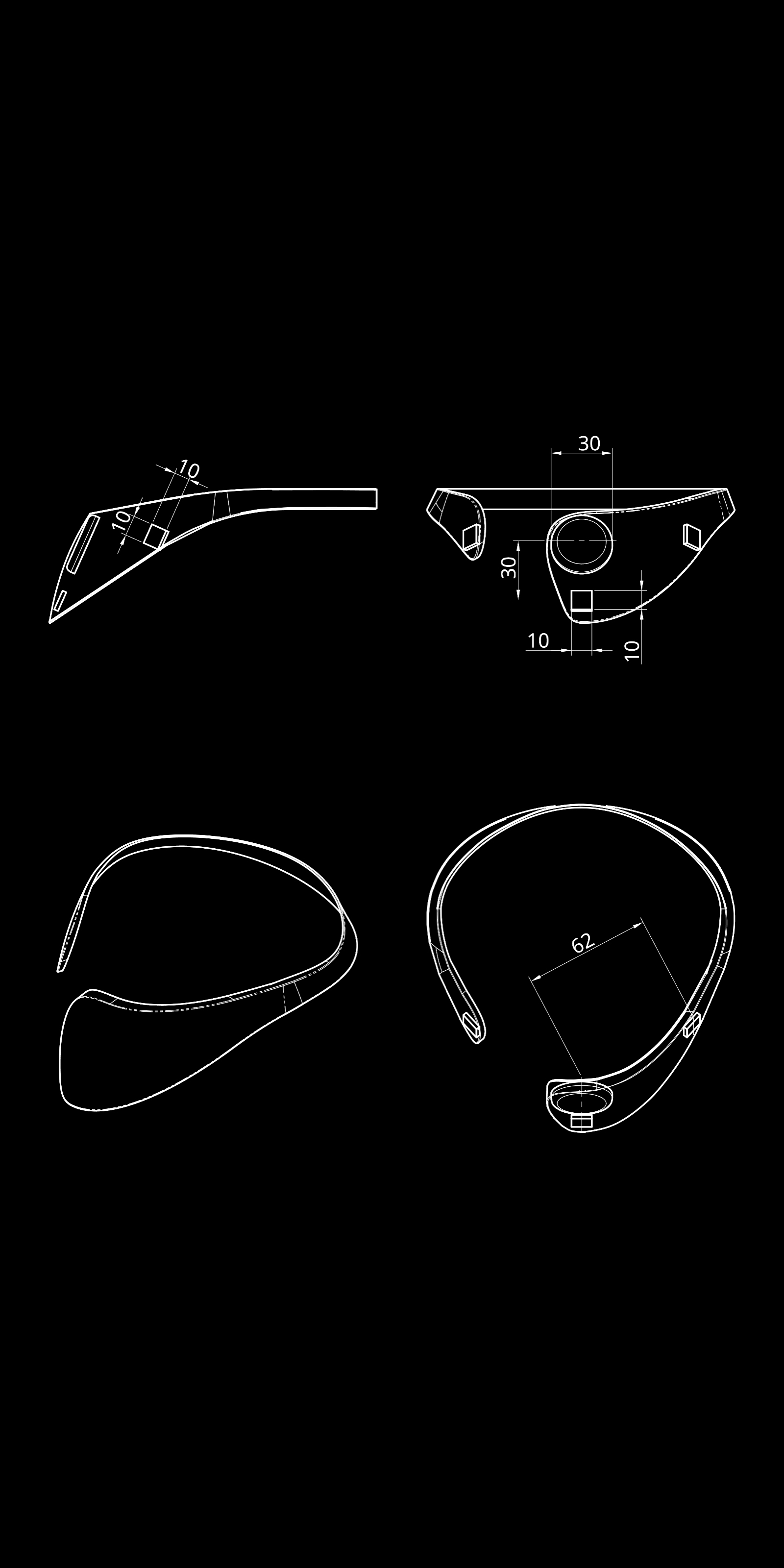
Inner Voice Smart Wearable
Inner Voice began with an idea I had from my psychology background.
I knew subvocalisation existed: when people speak silently in their own heads, the body still prepares for speech. Tiny movements still happen in the vocal system, even when no sound is produced. The question was whether those movements could be measured reliably enough to become a new form of interaction.
Before deciding the product direction, we ran simulations and technical research to understand how subvocalisation could be detected. That led us toward a custom sensor approach using LDV, mmWave sensors and an IMU. The LDV was used to detect tiny vibration from the vocal system, while mmWave helped refine the signal and opened further possibilities around gesture, breathing, proximity and movement.
We then built and tested our own sensor suite to prove the technology could work. The form followed the constraints. Rather than placing anything on the jaw, face or throat, we explored the collarbone as a more comfortable and socially acceptable position. It was stable, close enough to the vocal system, and useful for other sensing opportunities.
That placement became central to the product. Inner Voice could potentially detect silent speech, gestures, breathing, heart signals, skin temperature, posture, internal acoustics and upper-body movement. It was not just a silent command device, but a new kind of wearable interface: part private AI input, part health monitor, part contextual sensor.
A key principle was that it should not rely on touching a screen. Nobody wants every AI interaction to become another moment of tapping, staring and correcting. Inner Voice was designed for moments where speaking or touching a device would be awkward: on the tube, in a library, during a meeting, walking at night, or in any situation where discretion mattered.
With bone-conducting headphones, the interaction could become almost internal: silent instruction out, private response back. A user could ask AI a question, control a device, send a message, log a symptom, translate something, or request help without speaking aloud.
The same sensing system also made Inner Voice useful for wellbeing. Silent speech, gesture, body metrics and environmental signals could combine into a richer picture of the user: fatigue, stress, hydration, posture, movement, sleep quality, recovery or sensory overload.
What made the concept especially interesting was that it avoided the face. Publicly known silent speech approaches, including the technology Apple acquired from Q.AI, have focused on facial or jaw-based sensing. Inner Voice explored a different path: detecting subvocalisation and related body signals from the collarbone area, making the experience less intrusive and more wearable.
Inner Voice was a step toward interaction without performance.
No screen.
No public voice command.
No obvious gesture.
Just intent, detected quietly at the edge of the body.

Morphic Screen
Morphic Screen began with a frustration I have always had with touchscreens.
They are called touch interfaces, but in reality they give very little back to touch. A keyboard is only a picture of keys. A slider is only a line under glass. A button has no edge, no travel, no resistance and no physical state. For all the progress made in displays, the surface itself has remained mostly inert.
Morphic Screen explored what would happen if a display could physically change shape at the pixel scale.
The concept was for a flexible screen surface that could dynamically raise tactile features when needed, then return to being smooth when they were no longer useful. A keyboard could become physical only while typing. A slider could resist the finger as it reached the end. A radial dial could feel analogue. Braille could appear and update in real time. A virtual game controller could have buttons, toggles and joysticks that were actually felt.
The proposed technical route used a non-visible light-activated film. A diode would be incorporated into the standard RGB micro-LED component, allowing a specific portion of film above the pixel area to activate and rise. This meant the same surface could carry both visual and tactile information, making the display not only something to look at, but something to feel.
The work led to a patent submission under reference PCT/EP2026065657.
What made the idea powerful was not only the tactile effect, but the fact it could appear only when required. A device could remain minimal and uninterrupted most of the time, then form buttons, keys, sliders, textures or accessibility features in the exact moment they were useful.
For accessibility, the implications were especially strong. Braille could be rendered directly on the display and change dynamically with the content. Interface elements could become dimensional, making touch exploration more meaningful for people using screen readers or other assistive technologies.
For everyday interaction, the benefits were more subtle but just as important. Typing could regain physical feedback without a fixed keyboard. A button could feel pressed. A toggle could feel on or off. A slider could snap to increments. Games could make virtual controls feel real. Media could gain depth. Online shopping could let someone feel an approximation of material texture, from fabric to leather, wood or stone.
Morphic Screen was a way of challenging the assumption that a screen has to stay flat.
It connected directly to the wider Intent-first System work because generated interfaces need better physical affordances. If AI can create the right interface for a task, the display should not be limited to drawing that interface visually. It should be able to form it physically too.
The long-term idea was simple: a screen that is no longer just a window, but a surface with memory, texture and ephemeral form.
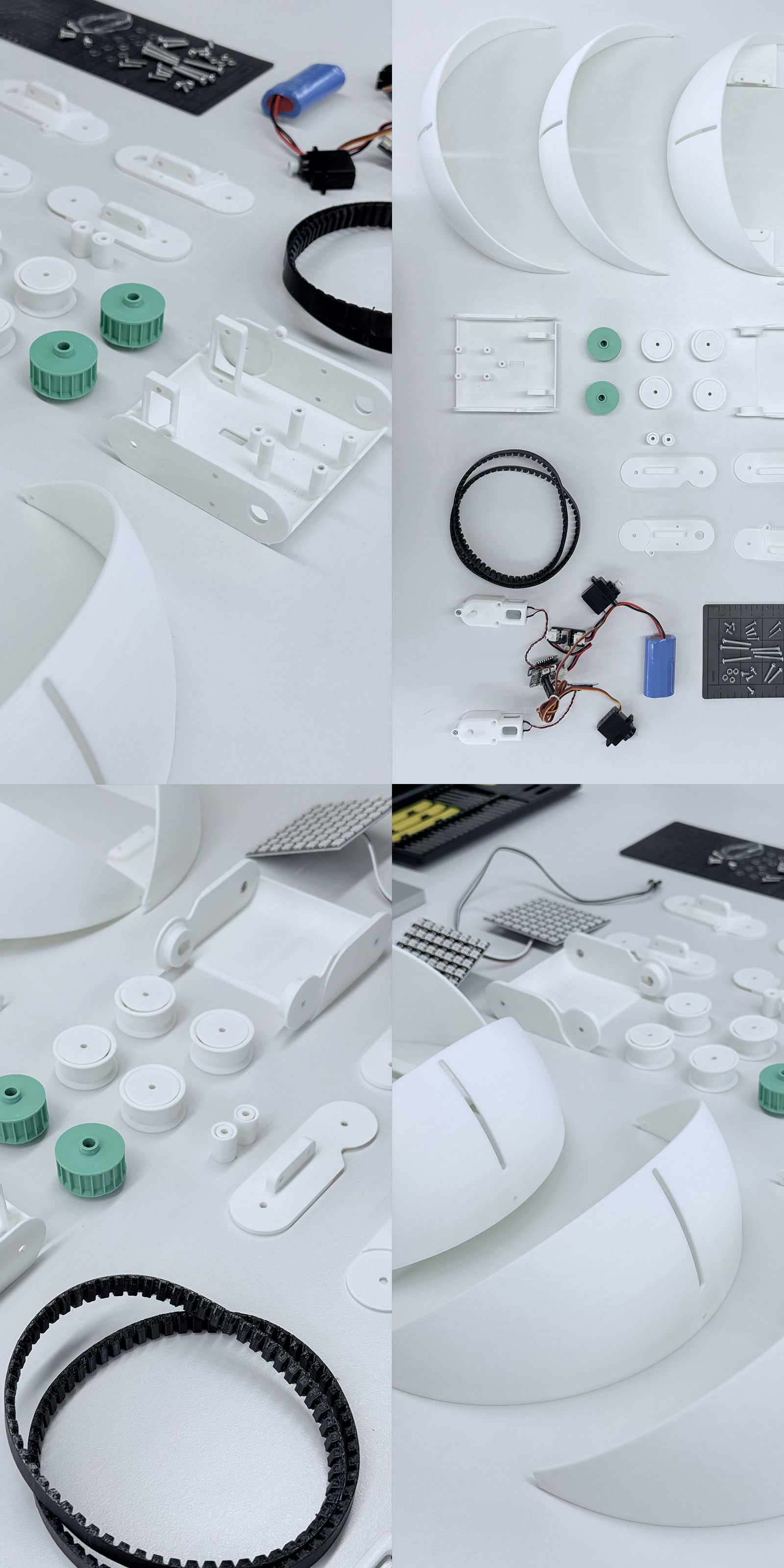
Ling: Avatar for the Smart Home
Ling was our attempt to give the smart home a body.
Most smart home systems live inside apps, speakers, switches and automations. They can be useful, but they rarely feel present. Ling explored a different idea: a small home avatar that could listen, move, respond and quietly represent the intelligence of the environment around you.
The name came from 聆, meaning a deeper and more attentive form of listening. That shaped the whole project. Ling was designed to be friendly, affectionate and unobtrusive — something that understood the home should still belong to the people living in it.
Its form was meant to feel like a small rock shaped by air and water, with soft sweeps and ripples across the surface. When powered down, everything was hidden beneath its skin, so it could sit in the home like a decorative object rather than a piece of technology.
The body could change shape between a half-circle and a quarter-circle, allowing it to move through real household terrain: stairs, thick carpets, thresholds and uneven surfaces. To make this possible, we had to invent a custom articulated tank track mechanism that could deform with the body while still maintaining tension and movement.
That shape-changing form also changed how Ling lived in the home. It could magnetically attach to a simple wall charger without needing a bulky dock or “house”. When charging, it gave the impression of drinking or feeding, turning a technical moment into something with character.
Ling was socially aware by design. It would keep roughly two metres away from people to avoid becoming a trip hazard, and hide away when not in use, such as under a sofa. It should never feel like an obstacle or like surveillance on wheels.
When active, Ling became expressive. It could pivot and look at you when you spoke to it, using eyes hidden beneath the surface to show attention, understanding, uncertainty or small problems. The expression was deliberately minimal: enough to feel alive, not enough to become uncanny.
The body was designed with a 3D printed skin that could fold with the mechanism while still feeling pleasant to touch. We also designed modular side ports so sensors could be changed or upgraded over time, making Ling less like a fixed product and more like an evolving home platform.
Ling became unexpectedly loved inside Huawei. Its cute and affectionate form gave it a personality before it even needed much intelligence. It starred in the Huawei 2025 Christmas video, where that character came through: small, expressive, slightly strange, and immediately charming.
For me, Ling was important because it made embodied AI feel domestic. Not a humanoid or a smart speaker on wheels, but a small attentive presence that could listen when needed, move through the home, and disappear when the moment was over.
Apple Inc.
2015 — 2025
Ten years across seven teams, designing products and experiences that touch millions of lives daily.
Intelligence & Foundation Models
Towards the end of my decade at Apple, I was placed in an
incubator lab and paired with two AI/ML scientists: one fascinated by historical culture, who later went on to join OpenAI, and one with a deep love of algorithms and robotics.
Together, we were asked to explore what AI could mean for Apple, and more importantly, which real human problems it could genuinely help solve. From the beginning, I pushed for
us to start with psychology rather than technology, and with biology rather than novelty.
One of the concepts that came from this was Digital Psyche, our attempt to
build a system that could better understand human emotion and the meaning behind what people were really saying. It was an architecture designed not just to process words, but
to interpret intent between the lines and use a more human model to condition responses. Two moments from that work have stayed with me. In one, when tested against coded
language used to signal danger in difficult situations, our system outperformed other AI models of the time despite being only a fraction of their size. In another, during
internal testing with patient dialogue, the system produced responses that felt remarkably close to those of a real therapist. That was never its intended use, but it was a
powerful signal that treating emotion as part of intent, rather than something separate from it, led to a much deeper understanding of the user.
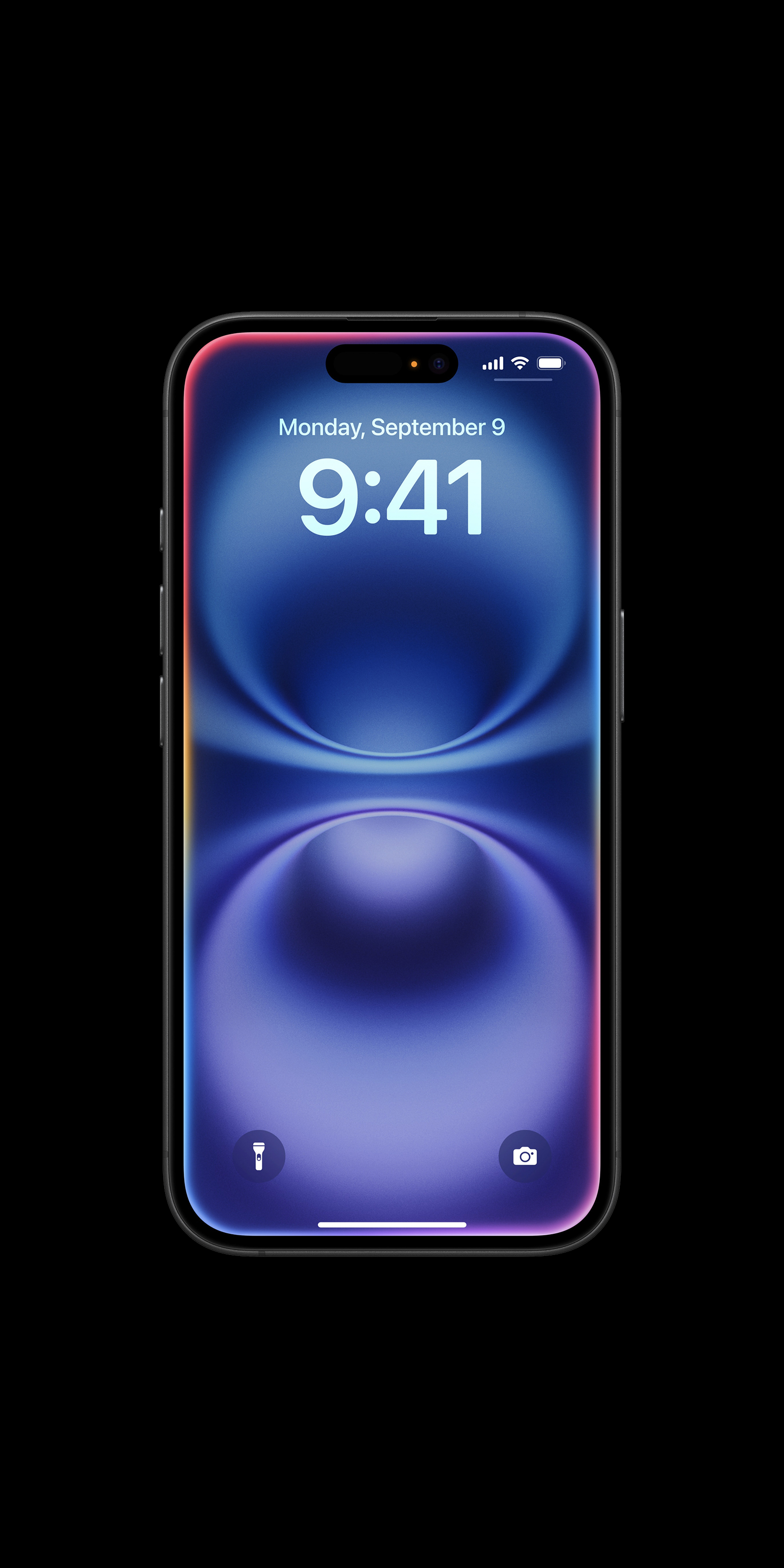
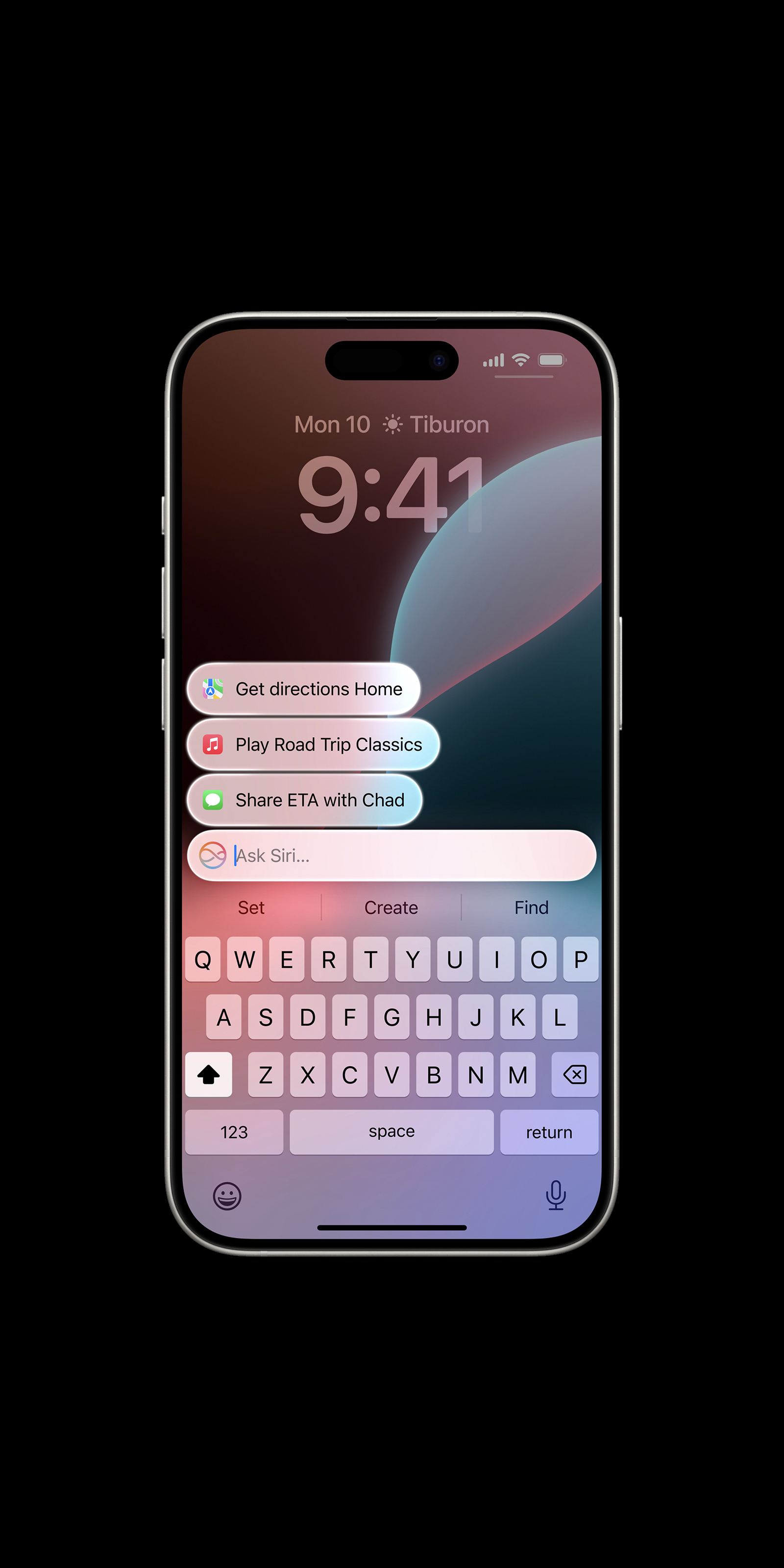
We also developed
Digital Body Language, a concept that allowed AI to express its confidence through colour, motion and form. The idea was to make the system’s internal state more legible to
people, so that interaction felt more intuitive and more trustworthy. This thinking later informed the newer Siri visual style, where colour
appears around the edge of the screen, making Siri feel less like a floating layer placed on top of the interface and more like part of the operating system itself.
Alongside
this, we explored a number of other ideas, including using psychological frameworks to shape the personalities of characters, and mixture-of-experts approaches to condition
outputs for different contexts such as video production and image creation.
App Intents
I was at Apple while SiriKit was being developed, and saw
first-hand both the ambition behind it and the challenges it faced in practice. It was a thoughtful attempt to give third-party developers a safe and consistent way to connect
their apps to Siri, while still keeping Siri as the authoritative gatekeeper to the experience.
The problem was that the system was too constrained. Its flexibility
was limited, the range of supported use cases was narrow, and as a result adoption and developer satisfaction never reached the level Apple had hoped for. It became clear that
a new approach was needed.
Working alongside an exceptional engineer (who later went on to join Meta before returning to Apple to focus on XR), we jointly designed a framework intended to solve that problem properly: something with effectively unlimited extensibility, built to support
an AI-powered future, but simple enough for third-party developers to use with minimal friction.
Internally, the project was known as Link, while marketing later introduced it as App Intents.The framework allowed developers to expose functionality to Siri by annotating existing code, rather than
building entirely separate integrations from scratch. It was supported directly within Xcode as well, with tools for testing against Siri, defining custom entities, and
handling localisation more easily.
The result was broad adoption, but more importantly it laid the groundwork for a future in which increasingly capable models could
make use of the wider Apple ecosystem in a way that was both practical for developers and genuinely useful for users.
Apple Vision & visionOS
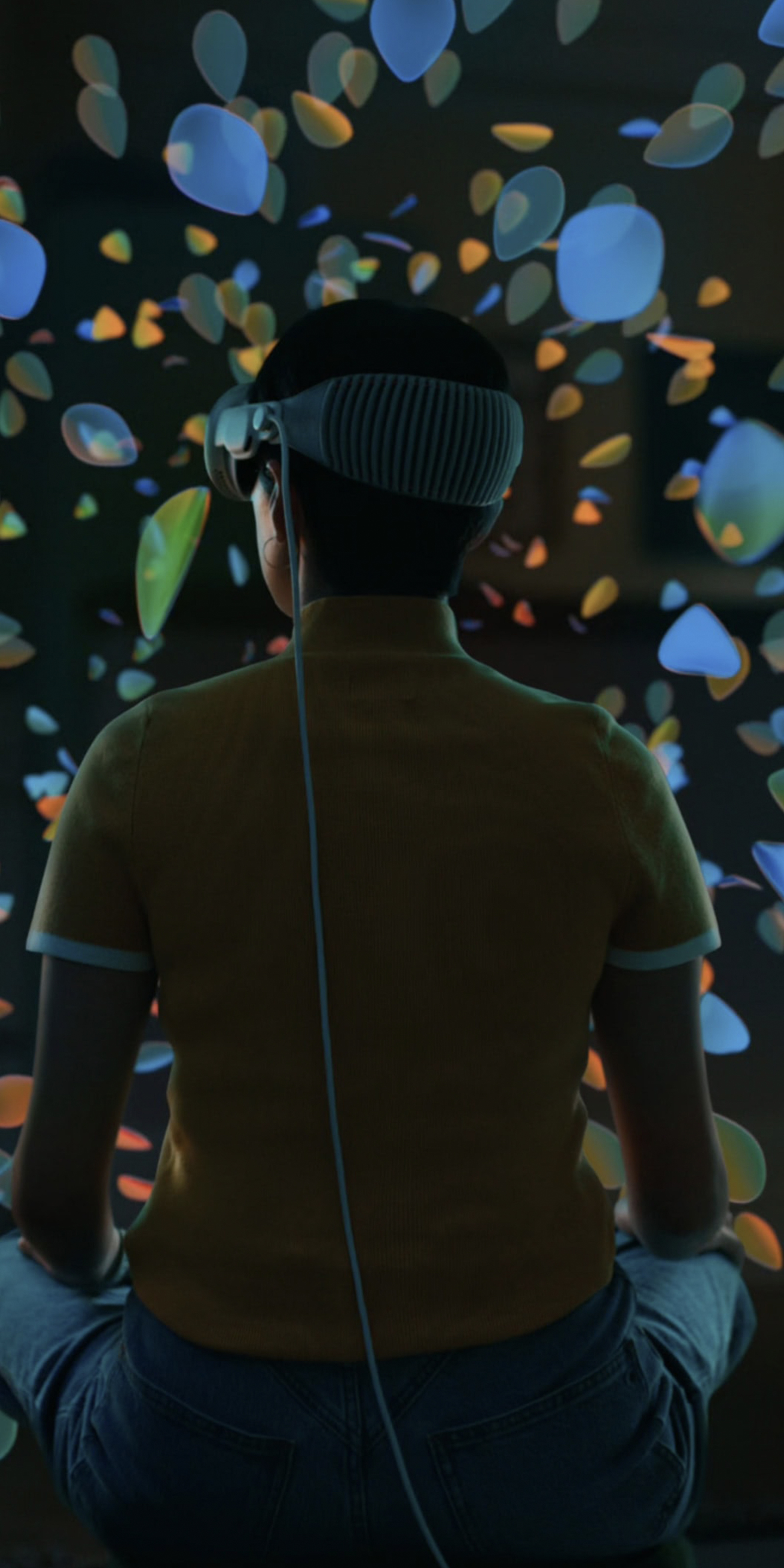
The earliest prototypes for what would eventually become Apple
Vision started not long after I joined in 2015. At that stage, the hardware was remarkably raw: metal parts held together with screws and rubber bands, fashioned into a headset
that felt closer to a lab experiment than a product. It projected imagery directly onto the back of the eye using lasers, and the result was completely unearthly. Seeing a HUD
appear in your vision felt less like consumer technology and more like stepping into the cockpit of a science-fiction fighter. I also discovered, somewhat unhelpfully, that I
blink more than the average person, which made me an unexpectedly disruptive participant in some of those early tests.
As the programme matured, my background in video
games and digital design became increasingly relevant. I worked on concepts and prototypes for the interface layers of Apple Vision, as well as
augmented controls designed to exist natively within mixed reality. It was a fascinating design space, one that required thinking beyond screens and towards experiences that
blended sight, sound and interaction into something that felt as though it sat between realities.
Later in the product cycle, my long-standing interest in 3D
modelling, particularly of science-fiction forms, became unexpectedly useful again. I was asked to contribute concepts for the overall industrial design of Apple Vision Pro,
and a number of the cues I explored were carried through into the final product.
Safety & Health Features
When I joined Apple's conversational interaction team, a
US-based group responsible for defining how Siri acts, reacts and communicates, I was asked to audit how well the system handled emergency, safety and other highly sensitive
situations.
As someone coming from outside the US, I was able to bring a different perspective to the work, and it quickly exposed issues that had not been fully
considered. That ranged from non-emergency services such as NHS 111, to transport-specific support lines, Coast Guard access, and specialist numbers for areas such as fraud
assistance. I compared Siri’s responses against real transcripts from the opening moments of emergency calls, and studied the way people actually speak when they need urgent
help. It was painstaking work, but it made visible the dangerous gaps between how a system was expected to behave and how people really behaved under pressure.
The
outcome was a comprehensive report detailing what needed to change, how it should change, and in what order. One of the most striking examples involved users attempting to
contact the Coast Guard through Siri, only to be directed instead to a restaurant of the same name in Los Angeles. Seeing that fixed remains one of my proudest moments at
Apple. A month later, hearing Tim Cook speak on stage about how that exact capability had helped save the lives of fishermen off the coast of
Mexico was a powerful reminder that the smallest details in interface design can carry enormous human weight.
My second proudest moment came from something deeply
personal. My grandfather lived in a retirement home, the kind equipped with an emergency pull cord beside the bed. One morning he fell, broke his hip, and was unable to move
far enough to call for help. He lay there for hours until a nurse found him during a routine check. He was taken to hospital, but later died from an infection caused by the
injury.
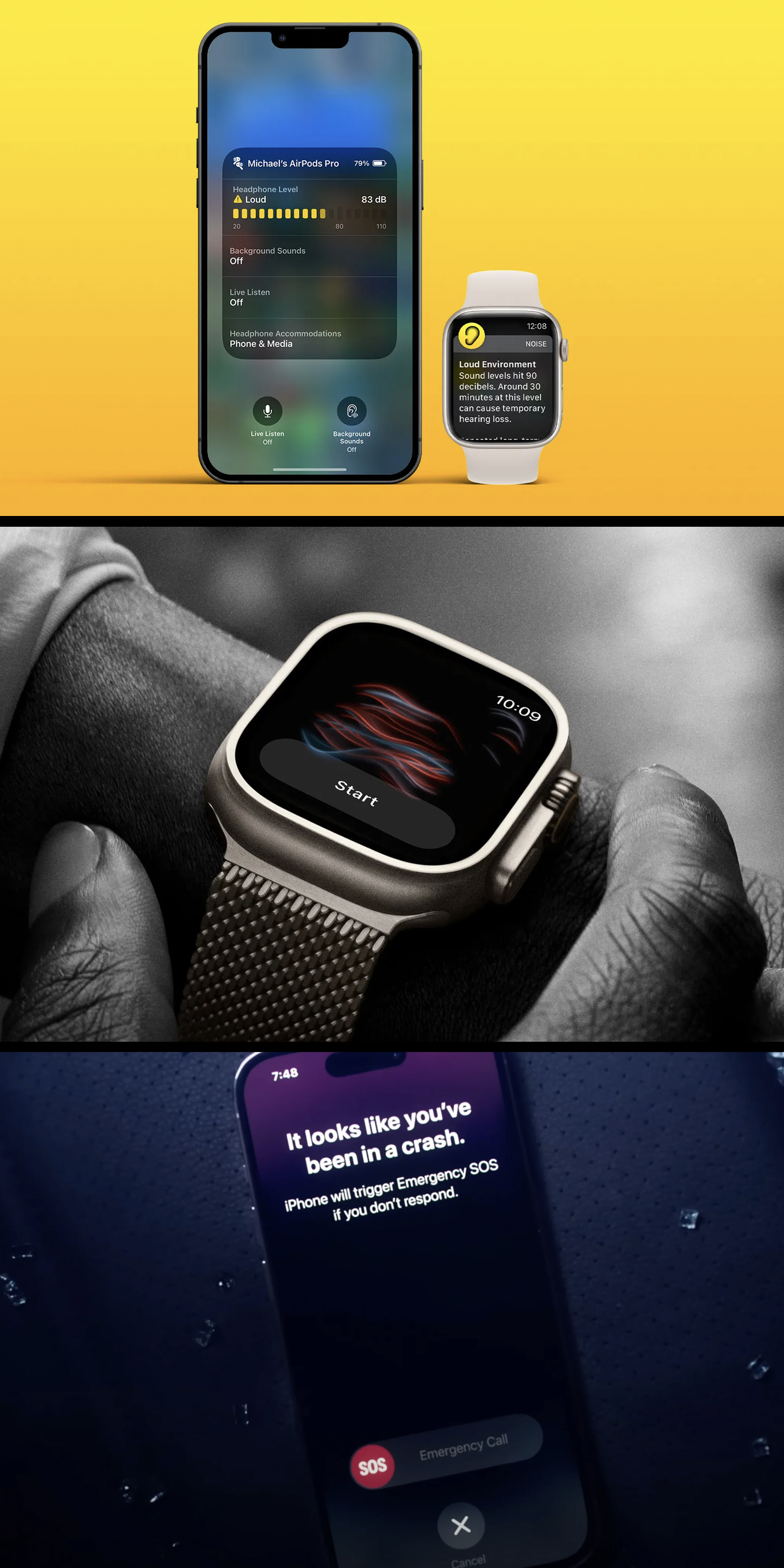
At the time, I was working inside Apple and felt there had to be a better answer than a pull cord fixed to a wall, or an emergency pendant that many people
would never willingly wear. I began concepting the idea of Apple Watch detecting a fall automatically, notifying loved ones, and contacting
emergency services when necessary. That feature later became real. From there, I also worked with the safety team on further ideas in the same space, including drowning
detection, car crash detection, hearing protection, and blood oxygen monitoring and preventative features such as Downtime and Screentime.
It is still bittersweet to
hear how these features have gone on to help save lives, knowing they arrived too late for my grandfather. But that experience is also why this work has always mattered to me
at a much deeper level.
Accessibility
Accessibility has always been something I have cared about. Part of
that is personal, if I am honest. I have always had a fear of losing my own senses. But beyond that, I have long believed that accessible design is often simply better design: when you
solve properly for inclusion, the benefits usually extend far beyond the people you first set out to help.
Although accessibility was a thread running throughout my time at
Apple, the most significant chapter came when I was paired with a blind employee to focus deeply on issues affecting people with visual impairments. Together, we audited every
first-party app and large parts of the operating system, filing Radars against the relevant teams for every issue we found. The scale of the work was enormous, resulting in tens of
thousands of reports, many of which I am told are still being worked through today.
That experience changed how I design. It not only made me highly proficient with tools such
as VoiceOver, but also gave me a much sharper understanding of where accessibility succeeded, where it broke down, and where the underlying design assumptions were simply wrong. A
great deal of that came from both hands-on use and from observing how my colleague navigated the system in practice.
Together, we went on to concept improvements to VoiceOver,
as well as a new way of operating devices in situations where VoiceOver was not enough. That thinking created Voice Control, an accessibility feature
designed to let people control even inaccessible content through voice commands and gesture-based interaction. It also led us to propose further ideas for Siri Shortcuts, with the aim
of creating faster, more flexible routes into accessibility features when they were needed most. This contribution was what later saw me created App Intents.
Official Apple demonstration video of Voice Control on iOS.
HomePod
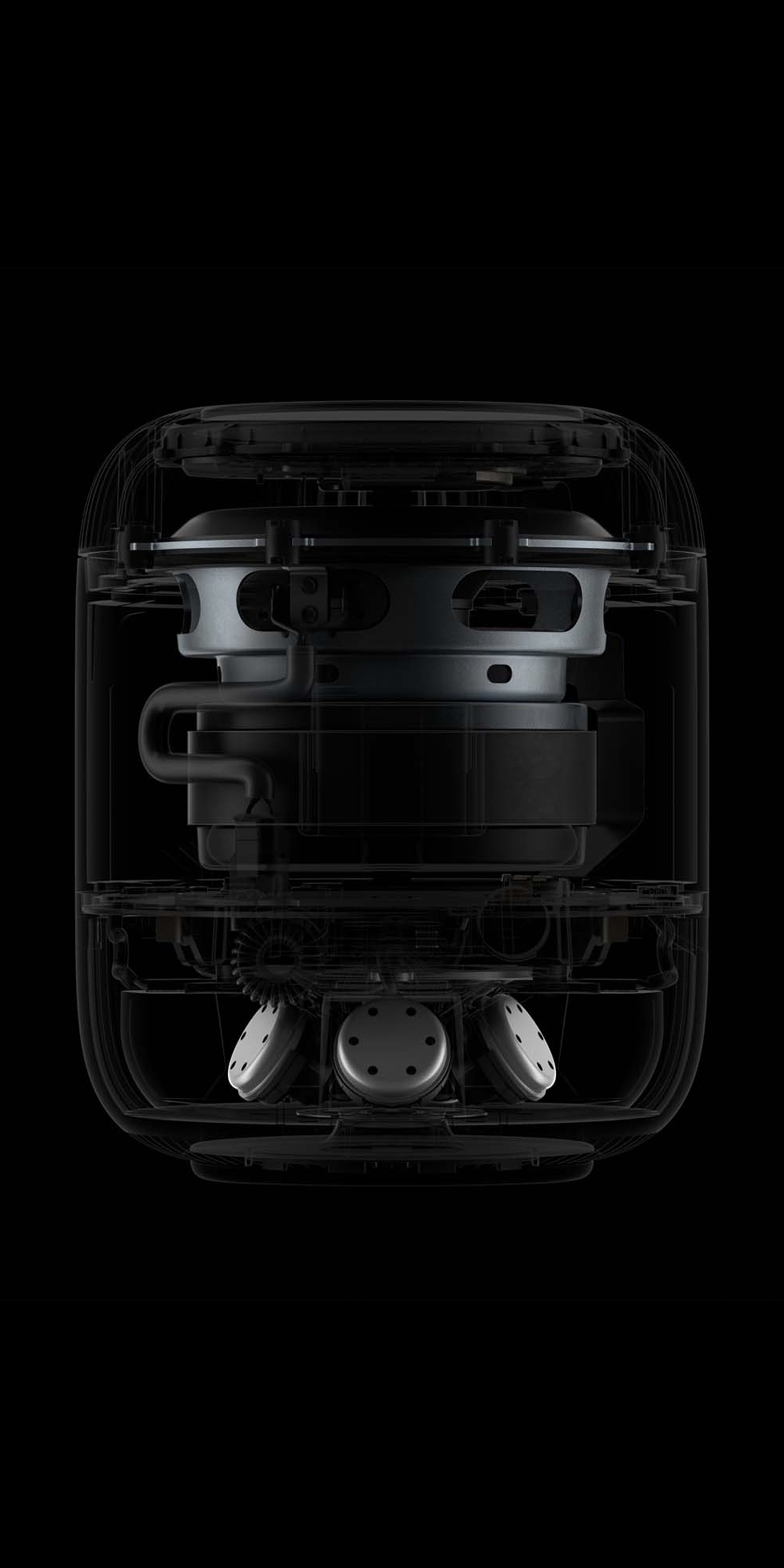
The HomePod was one of the first industrial design projects
I contributed to at Apple. I still remember the earliest concepts clearly: at one stage it looked a little like a white marshmallow, charming in its own way, but not especially
practical.
Before joining Apple, I had worked with Sony on the light language of the DualShock 4 controller for PlayStation, shaping how light could feel alive through
breathing patterns while charging, signals during gameplay, and system-level indications. When I joined the HomePod project, I was keen to bring some of that same thinking into
the product.
Although the final industrial design did not lend itself to eye-level light communication, the underlying principles still found a place in the
experience, ultimately expressed through the light behaviour on the HomePod’s top surface.
MacBook Pro
I first met Sir Jony Ive in Apple's Cambridge office back in
2016. He was already a Sir by then, but was in Cambridge to receive an honrary degree from the Cambridge University.
When his chauffeur appeared in a very long, very
shiny Rolls-Royce outside the office on Hills Road, an arterial road to the centre, but a single carriageway nonetheless, it turned heads. By the time he left an hour later,
traffic was crawling. His chauffeur was unfazed, happy to pass the time with a newspaper.
Sir Jony Ive wore a baby-blue suit that day, with a silk shirt and bright
orange socks. One of his favourite colours, you'll often see him carrying a notebook in a similiar shade. It was, of course, known internally long before it became public
that Jony Ive would be leaving Apple. His design philosophy had long centred on creating products that were as thin, light and minimal as possible. With his departure came
an opportunity to rethink that direction and develop a revised industrial design language, one that responded more directly to the serious
demands professional users placed on their hardware, while still carrying echoes of classic Apple design.
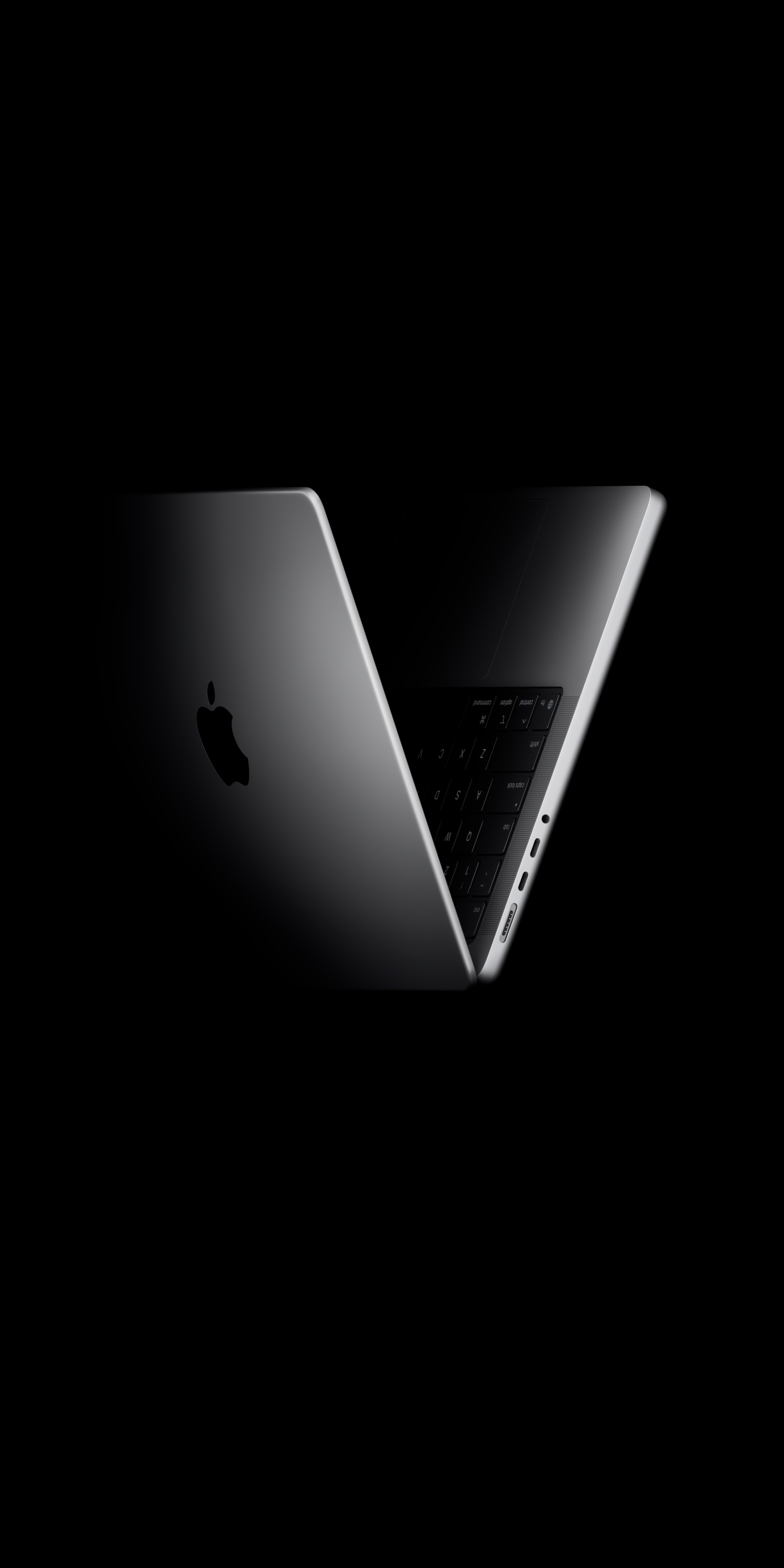
Although Apple Silicon produced less heat than the Intel
chips before it, I pushed the MacBook Pro in a different direction: towards seriousness. That meant allowing more space where it mattered, restoring essential inputs, removing
novelty for novelty's sake, such as the Touch Bar, and increasing durability. The goal was to make the product feel dependable, capable and unapologetically
professional.
When the first Apple Silicon MacBook Pro launched, the response was overwhelmingly positive and the new direction was widely praised. I still have a
slightly wry smile whenever I see that design, especially as I continue to use it every day myself.
Apple Watch Ultra
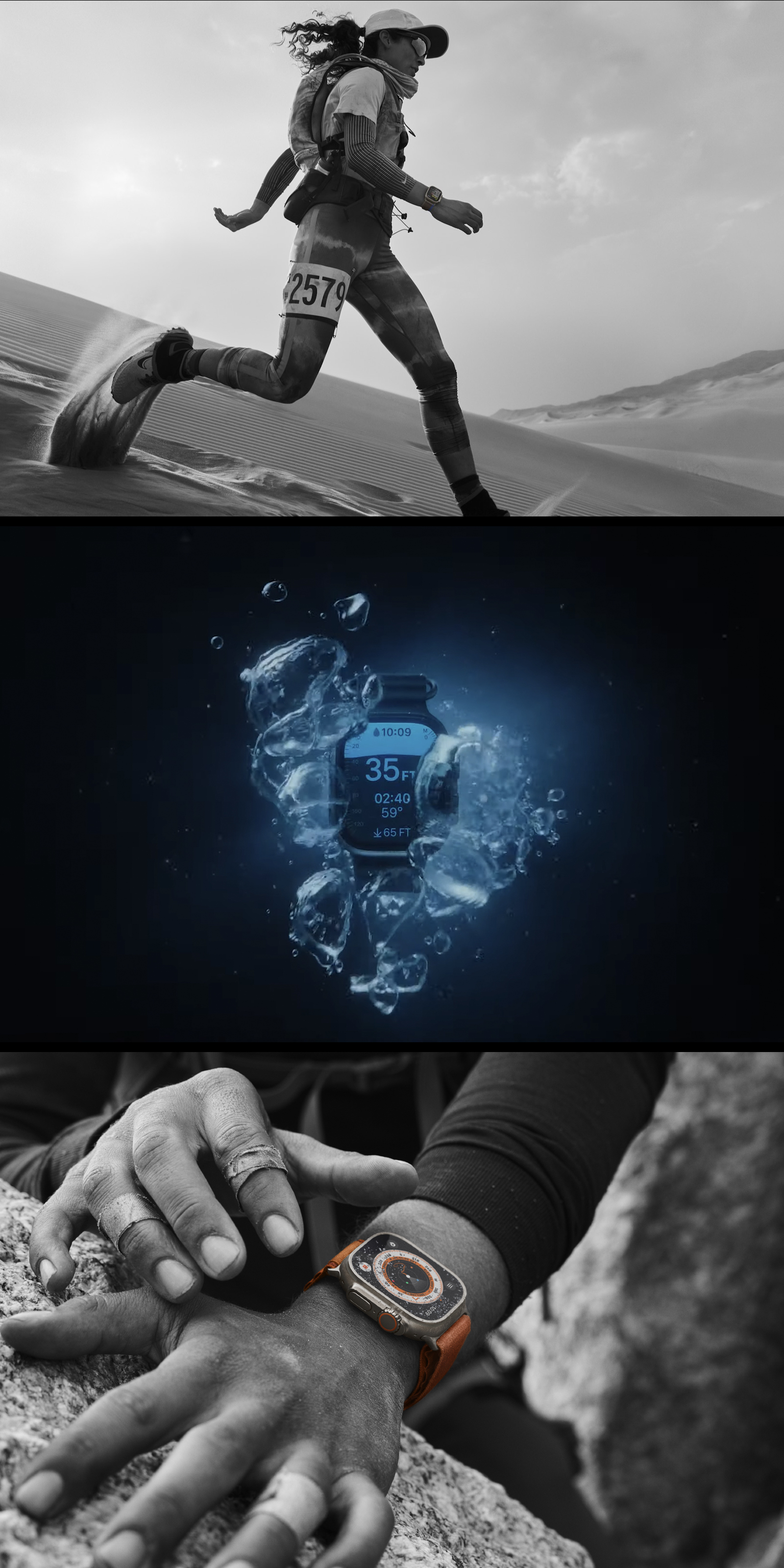
The more durable design direction of the MacBook naturally
extended into Apple Watch Ultra, a new watch category created for endurance, exploration and more extreme conditions. It was not simply about making the watch tougher, but
about creating a product whose form immediately communicated capability, reliability and purpose.
Many of the styling cues explored on
the Mac were deliberately amplified for the Ultra. Edges became more pronounced, surfaces felt more protective, and the overall character moved away from refinement alone
towards something more overtly functional. The aim was to give the watch an almost industrial quality, one that made it feel built for harsh environments rather than adapted to
them as an afterthought.
What I found especially satisfying was that the design did not rely on marketing language to explain itself. You could understand what the
product was for simply by looking at it. It felt robust, deliberate and highly legible, with each choice helping signal that this was a tool made for endurance and serious use.
TextSpaced
Personal Project
TextSpaced trailer I created exploring story elements.
TextSpaced was a sci-fi MMORPG I created, though it began life in a
much humbler form. The first version was a simple command-line game I built largely just to pass the time. It ran on a 3x3 grid and dropped the player into a random arena with random
weapons and a single AI ship to fight. Even in that crude prototype, many of the ideas that later defined TextSpaced were already present: changing stance and range, strange environmental
rules, and unexpected encounters. You might find alien civilisations on planets that would either join you or turn against you, or black holes that stopped kinetic weapons from firing. It
was basic, but it established the foundations.
The project really found its momentum on Facebook Messenger. At the time, my friends and I were spending a lot of time in Rainbow
Six Siege, but because ranked matchmaking could take up to fifteen minutes between games, I built something to fill the wait. That first Messenger version was a competitive team game with
two sides, each made up of three captains and an admiral, fighting across a 20x10 grid to destroy the other side’s homeworld. It also introduced mining and resource gathering, so the
admiral could unlock new technologies while the captains fought. It was never intended to scale, but when I released it over a single weekend, around 15,000 people tried to play it and it
promptly fell apart.
That failure was the signal. It showed me there was real demand for something like this, so I rebuilt it from the ground up as a text-based MMO on Messenger,
this time designed for much greater scale and scope, with the original players becoming my first testers.
Soon after launch, a blind player contacted me to say they loved the
game, but that with a number of changes it could become dramatically more accessible. That message had a huge impact on me. From that point on, accessibility became a core part of the
project and, in many ways, the thing that gave it its true identity. It eventually found a strong niche with blind and partially sighted players, and at its peak reached 50,000 concurrent users.
Over
time, TextSpaced grew into a large browser-based universe of factions, trade, fabrication, exploration and conflict, all built around player freedom. Although it has now closed, it remains
one of the projects I am proudest of, not just because of its scale, but because it proved to me that accessibility and ambition are not opposing forces. In many ways, the game worked
because of its constraints, not despite them.
Earlier Career
VocalIQ
2015
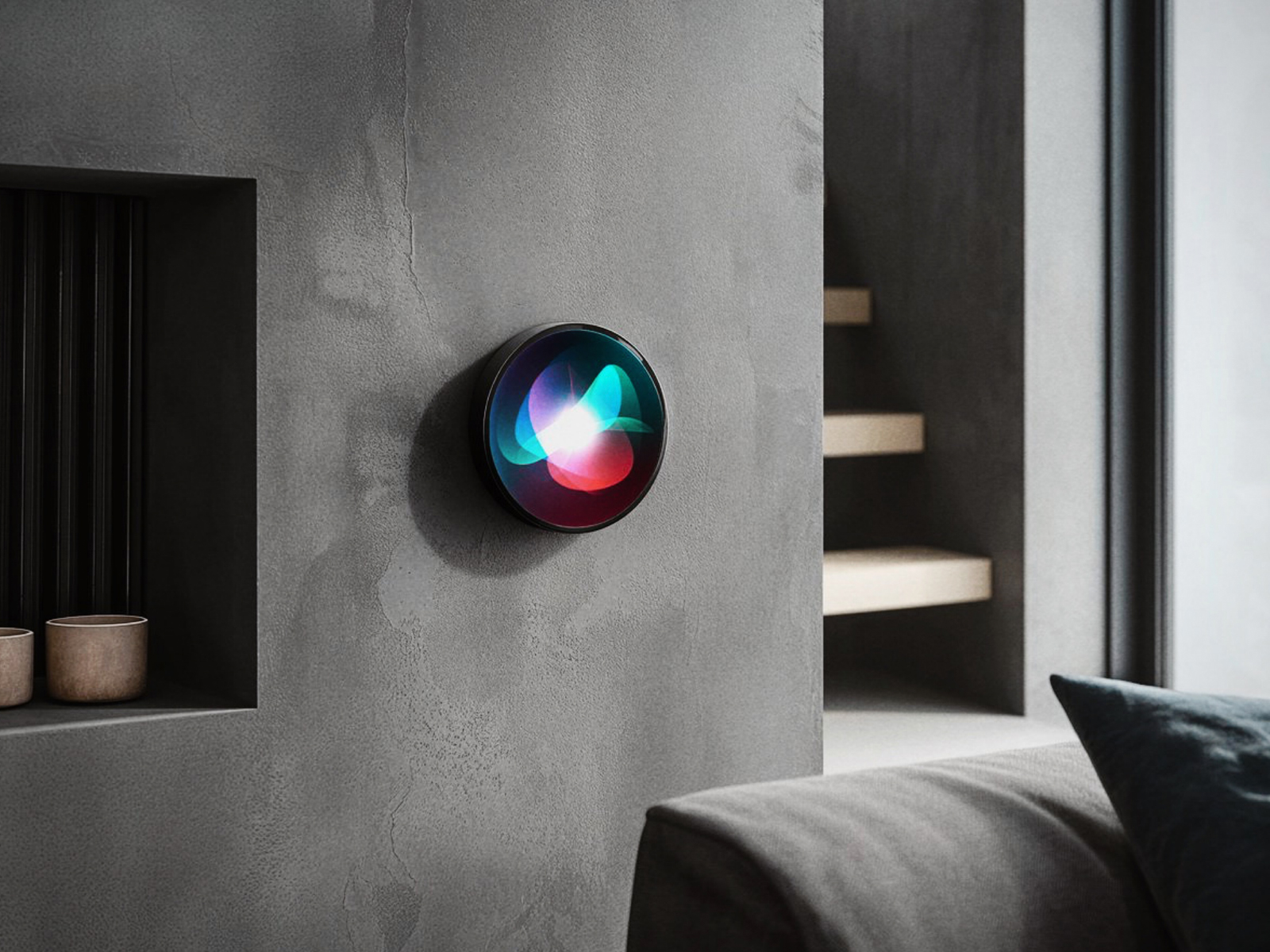
UI/UX design and front-end development for conversational AI platform, later acquired by Apple.
KarmApp
2014 — 2015
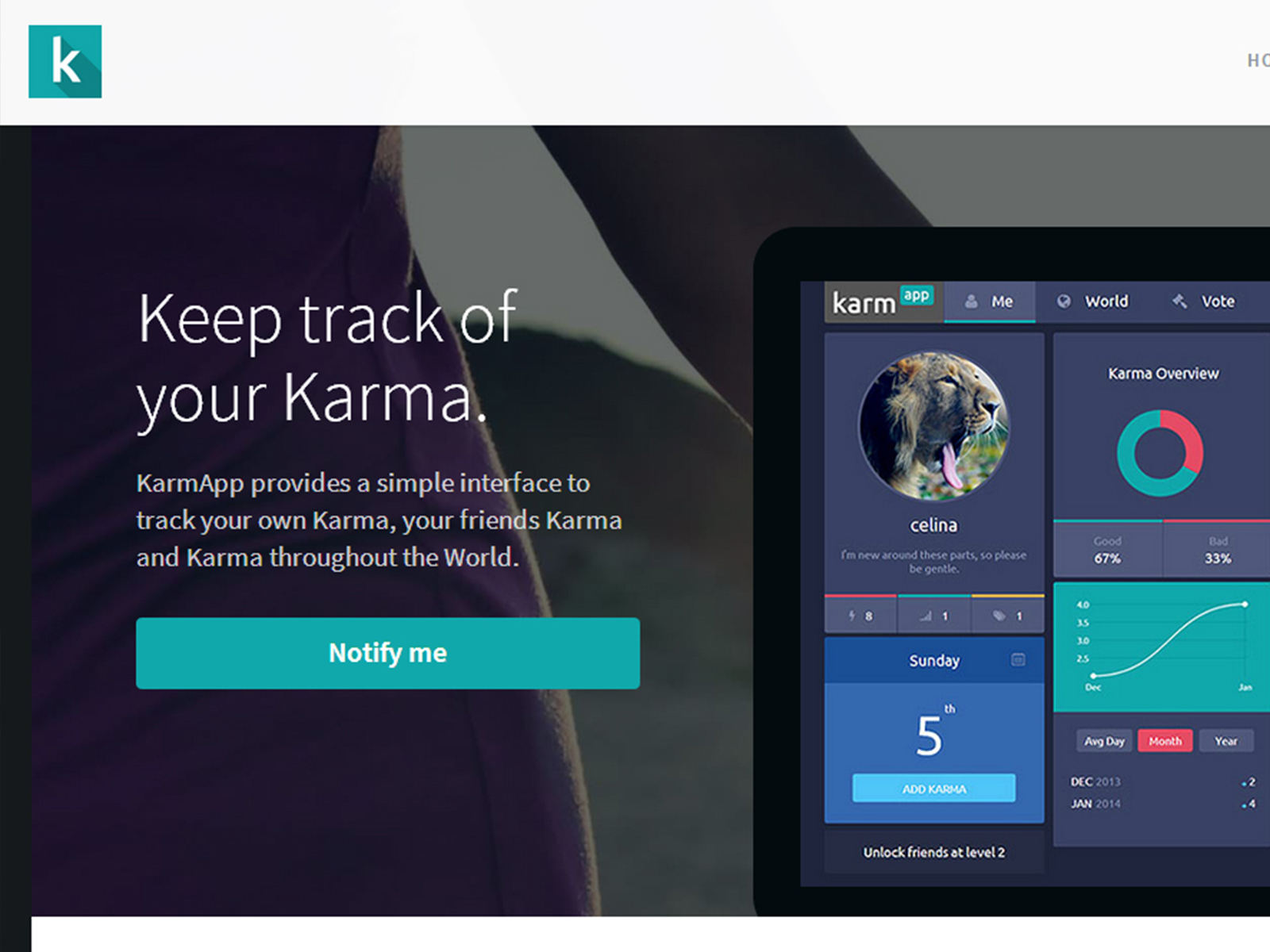
Created a mobile application for logging and exploring karma worldwide. It became very popular in Indian markets.

IGN Entertainment
2011 — 2015
Having been a supporting writer for years, I became a ghost writer to back-fill reviews - ultimately writing just over 20,000 reviews.
The District Limited
2014 — 2015
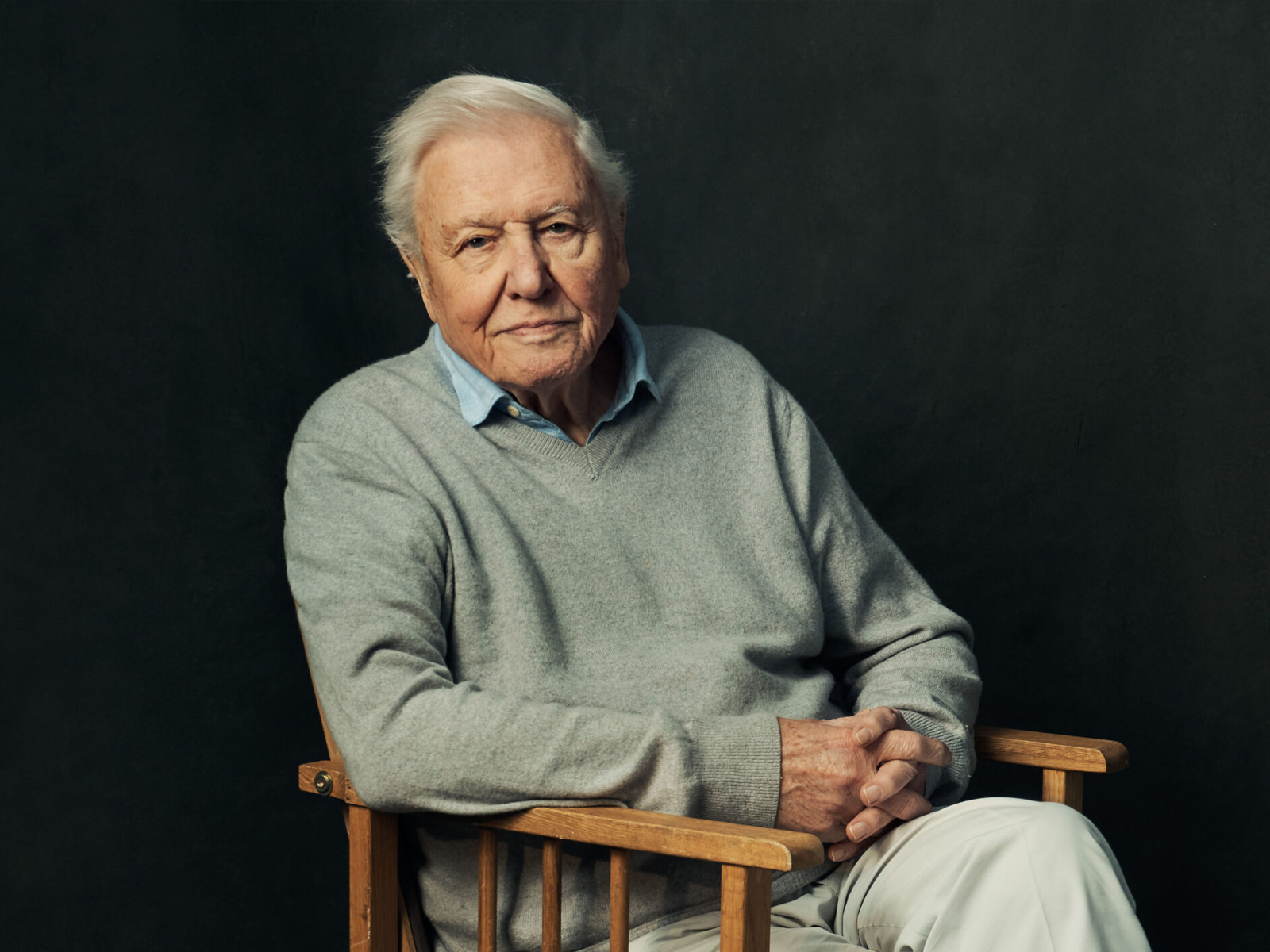
My role at The District in Cambridge was to be the Head of Digital, managing full-stack development and client support for web and digital projects. Focusing mostly on experimental and innovative design. I was lucky enough to work with some amazing clients such as Cambridge University creating a site where Sir David Attenborough was the patron to Design Bridge, Zara and the NHS.
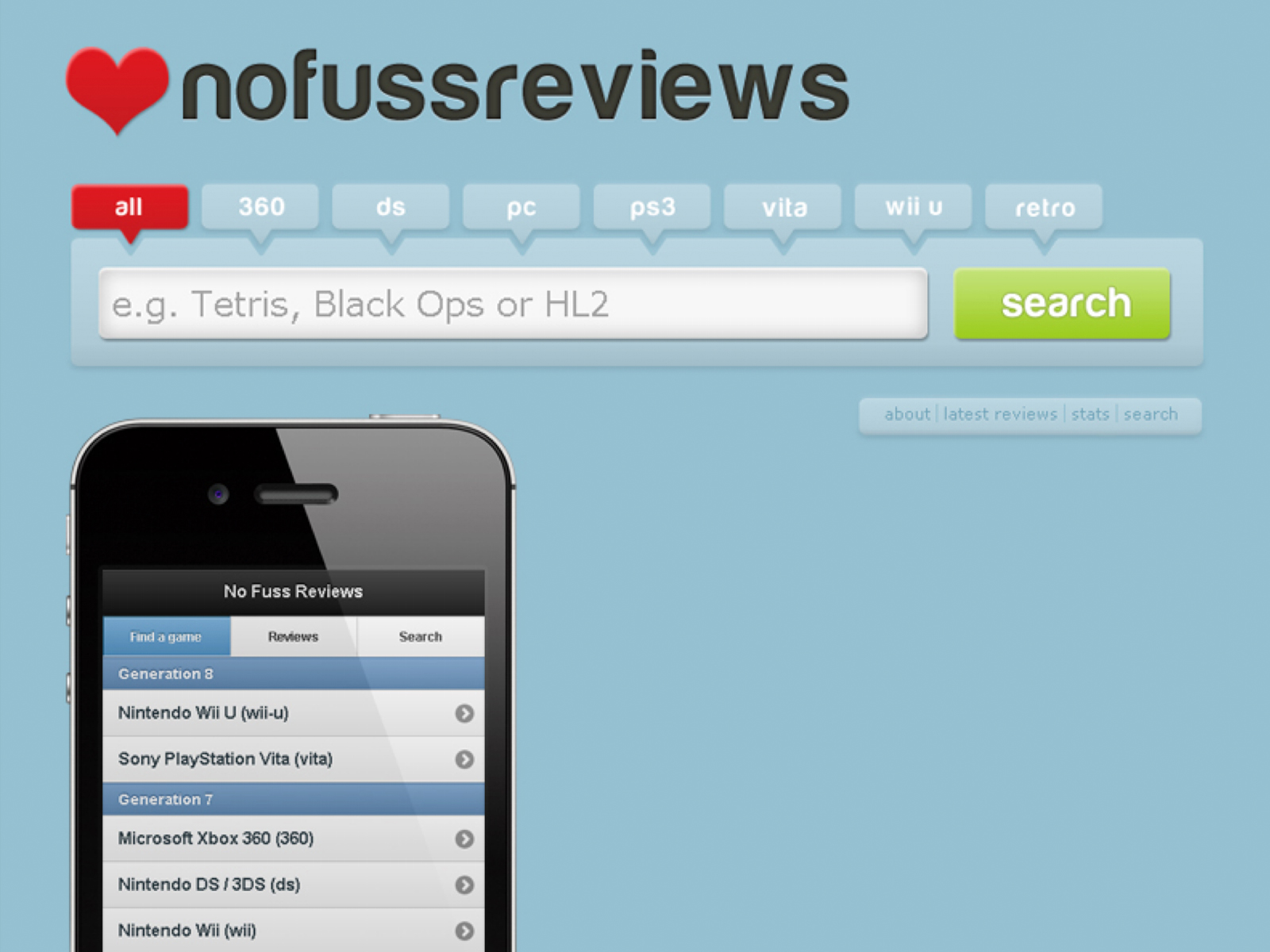
No Fuss Reviews
2008 — 2015
Founded a gaming review network, raising money for charities, with the simple premise of giving quick bite-sized reviews with no fuss. The network expanded into OpenSearch, browser plugins and SMS and was purchased by a competitor.

DICE (EA)
2013 — 2014
Freelance concept artist for Battlefield franchise to provide an external perspective, I was called back after my successful prior project with EA.
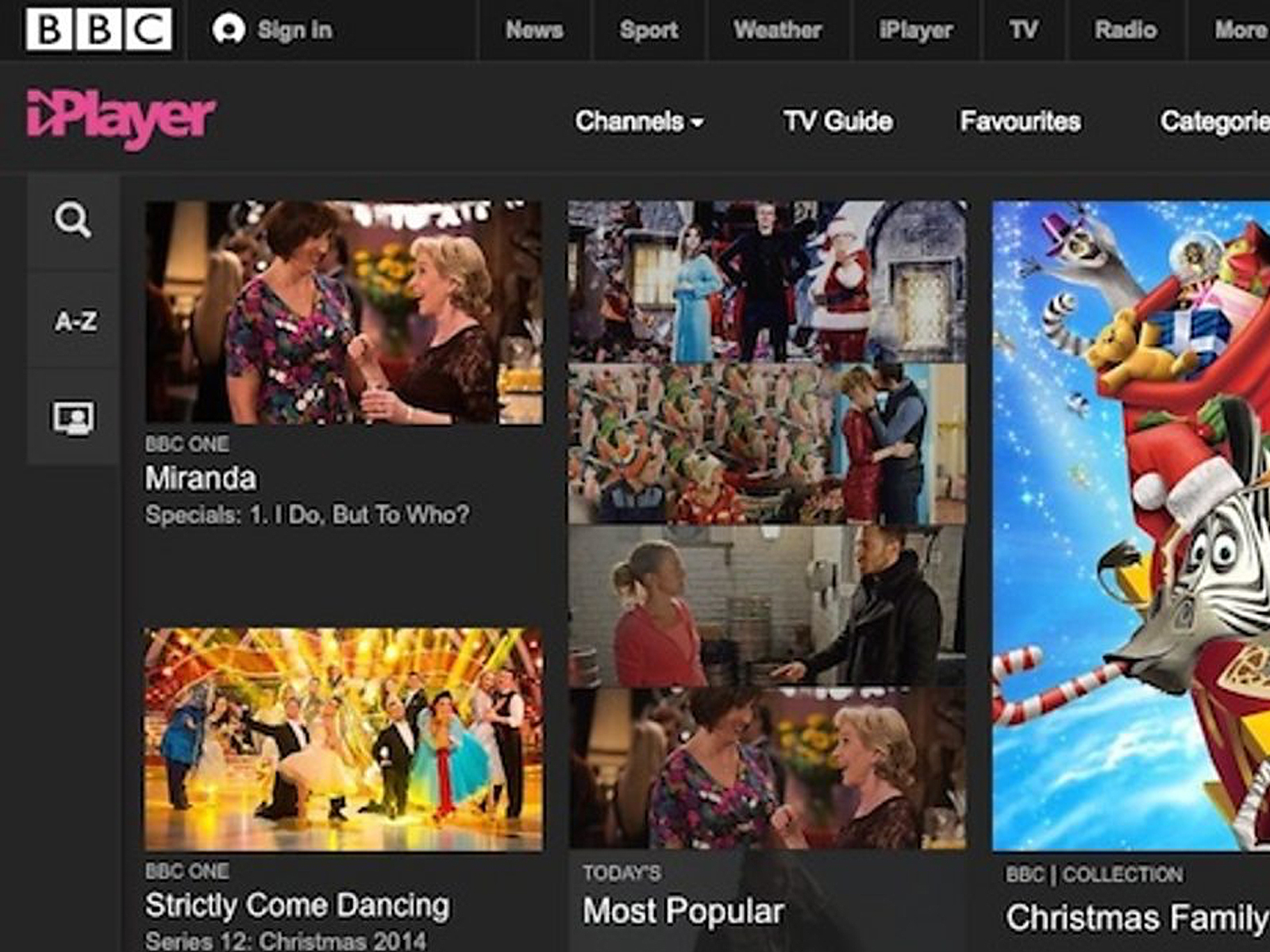
BBC
2014
UX consultant for BBC iPlayer and digital platforms, with the aim to rebrand and build a new design language for the iPlayer - yes, I was the one that pushed the pink.
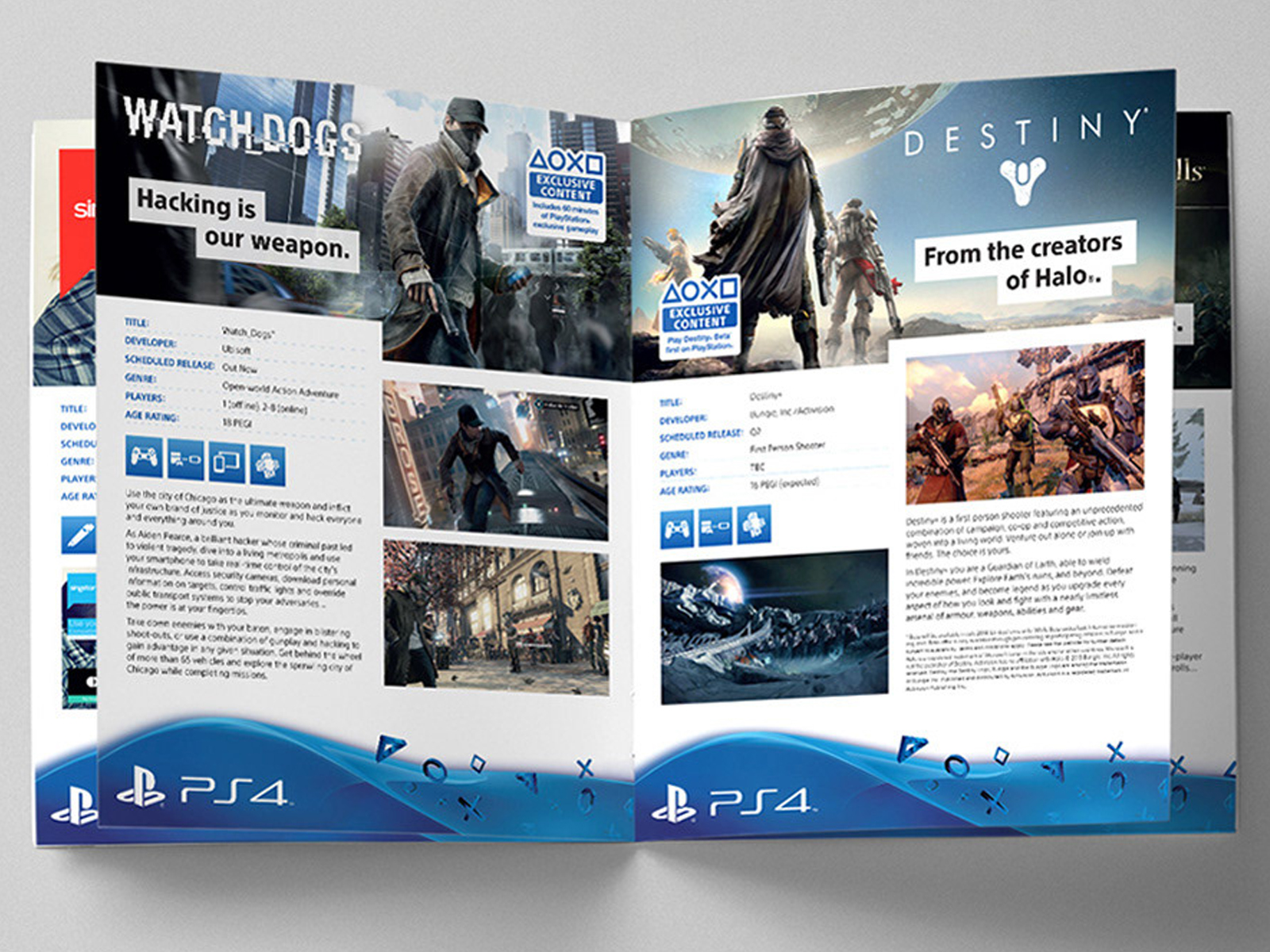
Sony PlayStation (SCEA)
2013 — 2014
As a freelance designer for new PlayStation Blog worldwide, I
was tasked with creating a new, fresh feel for the official blog that moved in step with the PlayStation operating system interface updates.
A new design language and
design system was required which focused on the "squares" style, while supporting the overall direction of blended discovery and exploration.
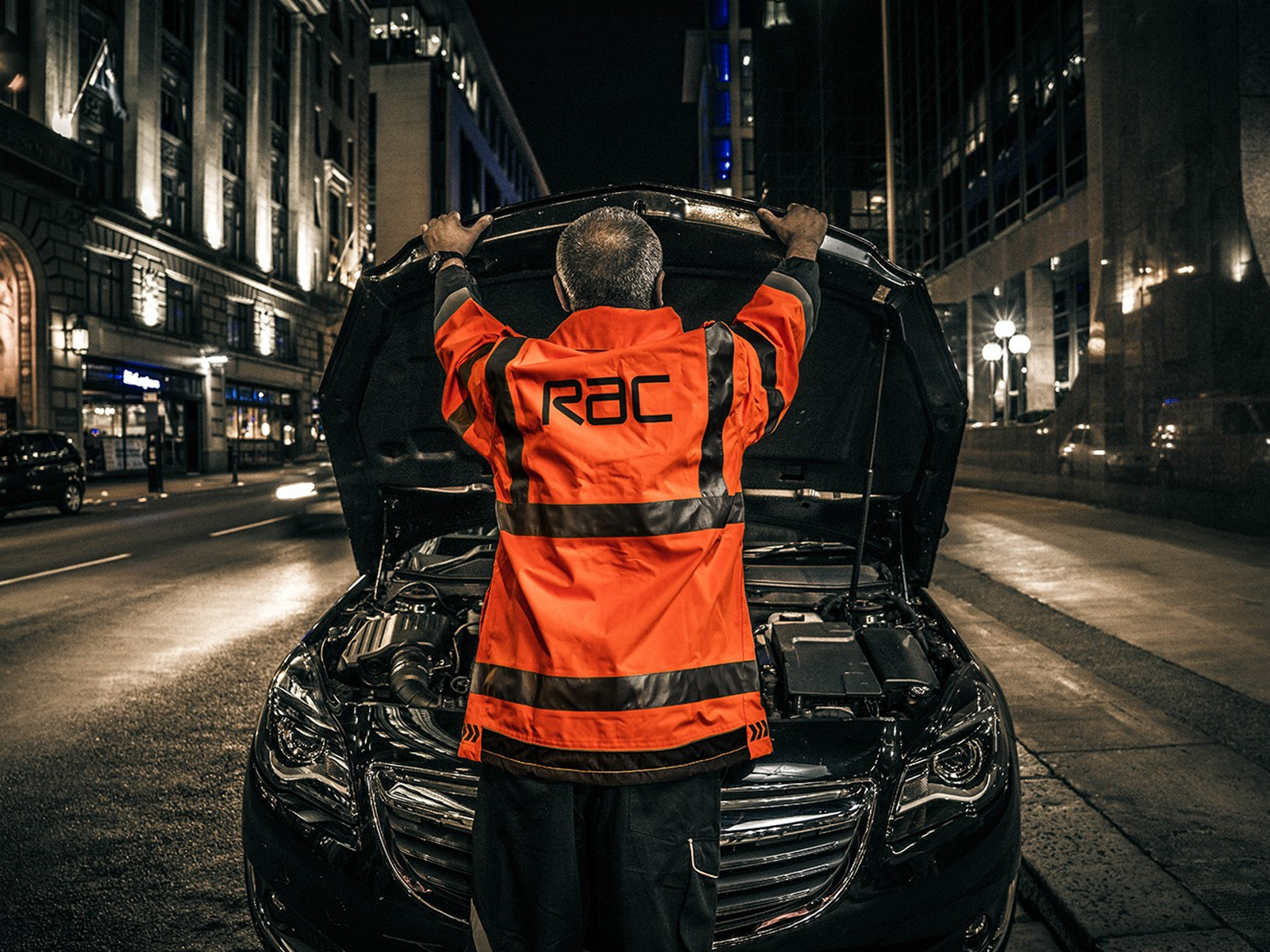
Transversal
2013 — 2014
Web developer for machine-learning based help sites for large brands, including for RAC, Majestic Wine, BBC and Barclays.

Electronic Arts
2013
Freelance concept artist, providing alternative visions for future franchises and games.
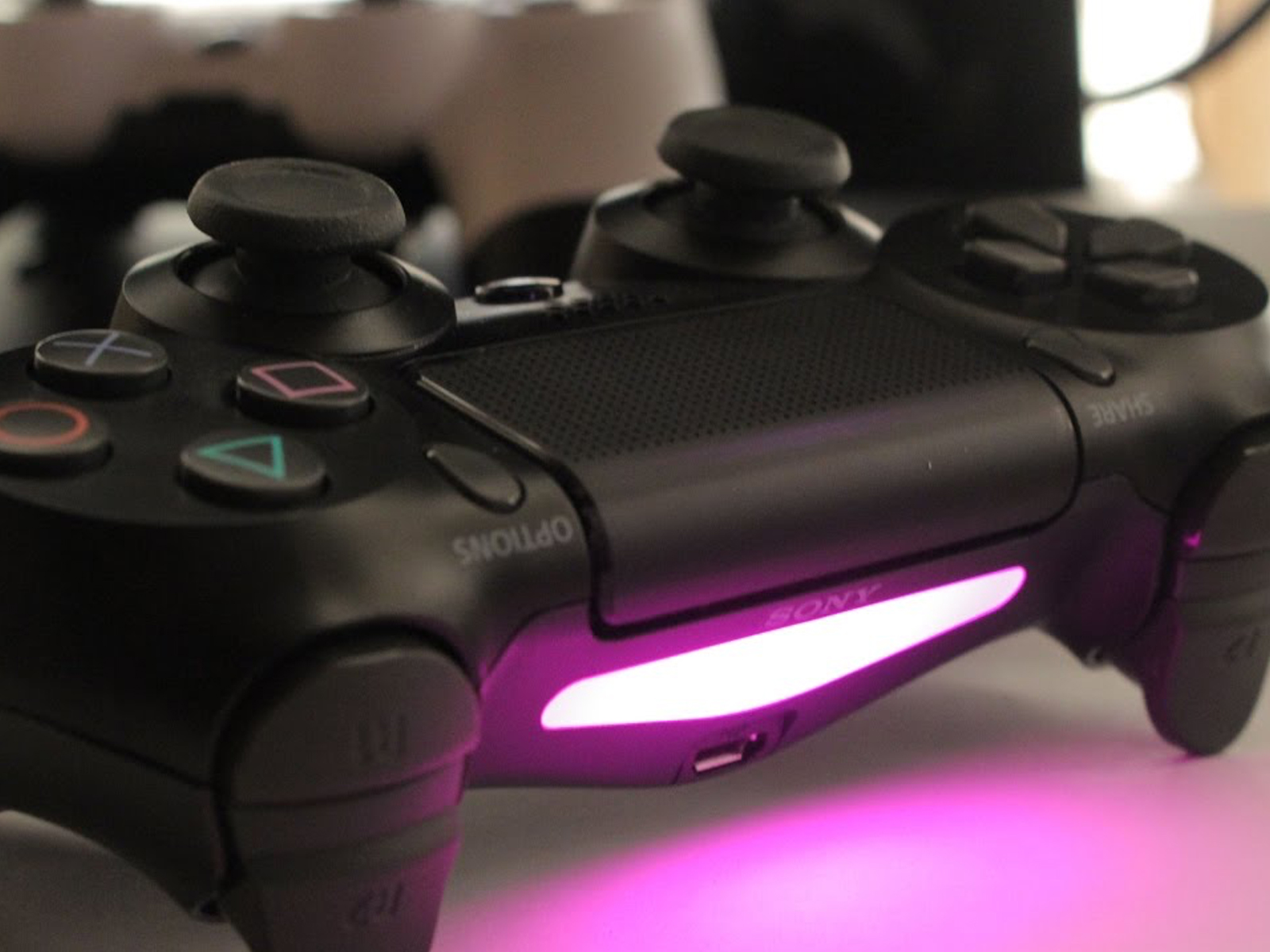
Sony PlayStation (SCEE)
2012
UX consultant for DualShock 4, mainly focusing on the light language - as well as other PlayStation Europe projects.
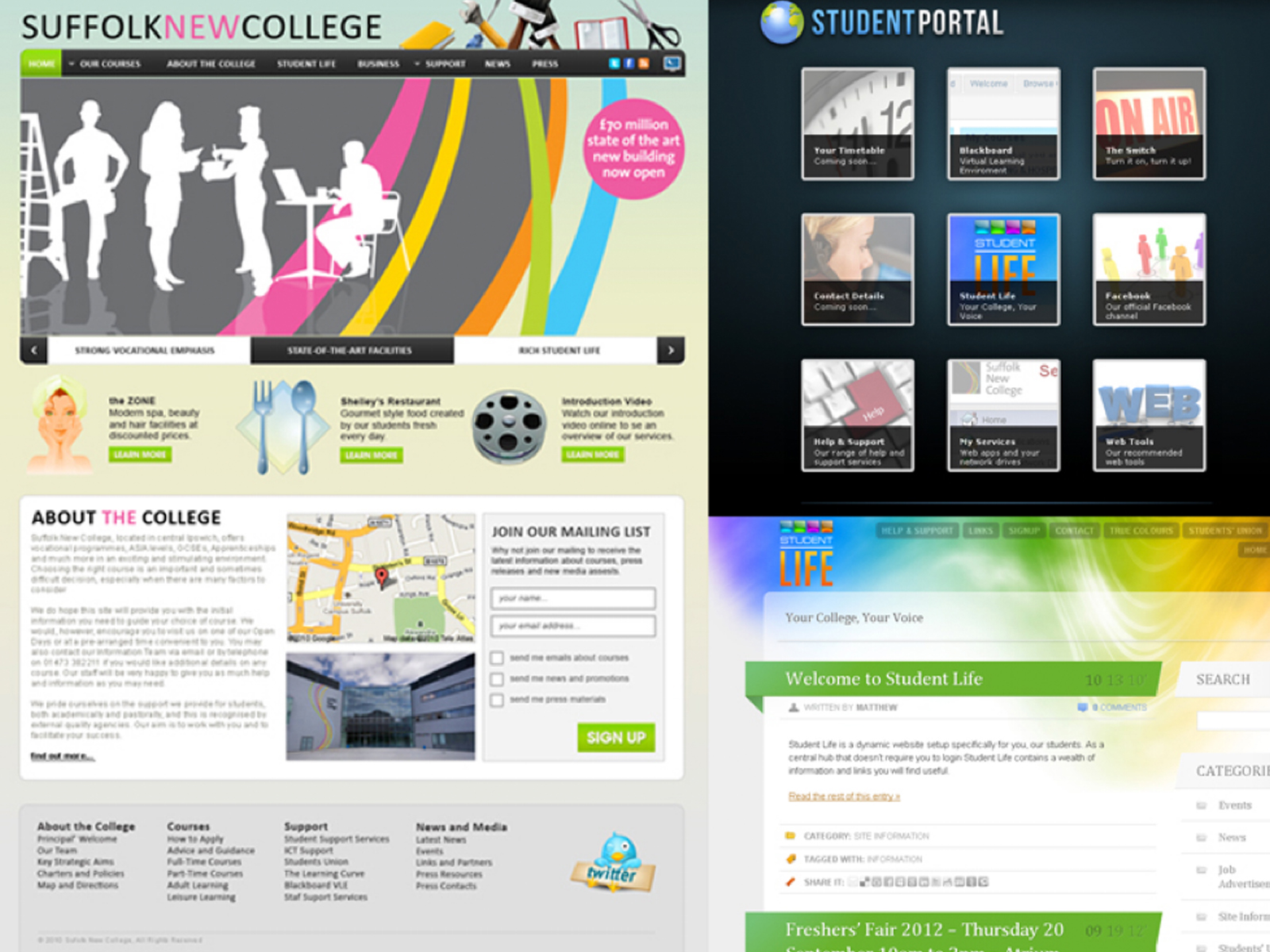
Suffolk New College
2009 — 2011
E-Learning Developer implementing Blackboard VLE campus-wide, supporting teaching staff and generally pushing forward technology usage through the university and college. The initatives I started increased student engagement, reduced teaching administration time and the college became the first in the UK to use QR code based attendance and learning handouts.

Games, Gadgets and Gizmos
2010 — 2011
Editor-in-chief for an online magazine I founded, providing editorial content in technology and gaming.
Find Me My Menu
2009 — 2011
Founded a UK takeaway platform with AR app for finding and
getting food delivered by local takeaways.
The core of the software was an SQL stored procedure that would translate a UK postcode to coordinates and preferences as
parameters, resulting in a responsive and simple to maintain excution layer. I am told that the procedure is still used today. It was acquired by Just Eat.

Midstream Media
2010
UX consultant for custom video delivery platform.

ITV
2010
Design consultant for ITV website redesign.
Moneysupermarket.com
2010
Design consultant working with in-house team on site redesign.

AV Unit
2007 — 2009
Senior web designer leading design and development for client sites and e-commerce platforms. Most notable creating the original On The Beach website.

PlayStation EU Blog
2008
Assistant editor for unofficial PlayStation Blog for Europe. Shut down when the official blog launched.
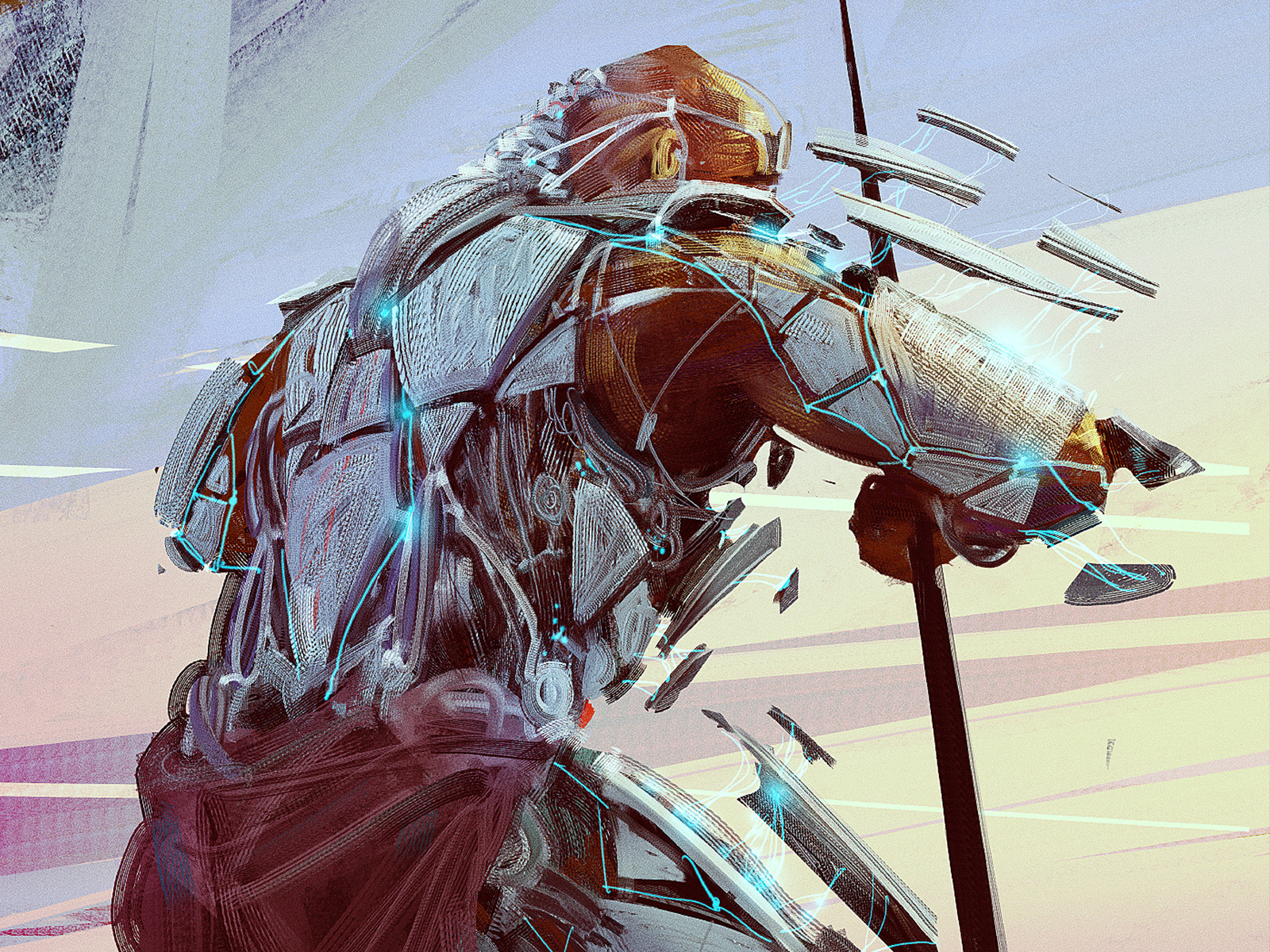
TextSpaced
2008
The beginnings of TextSpaced as a terminal game.
Computer Inactive
2007 — 2008
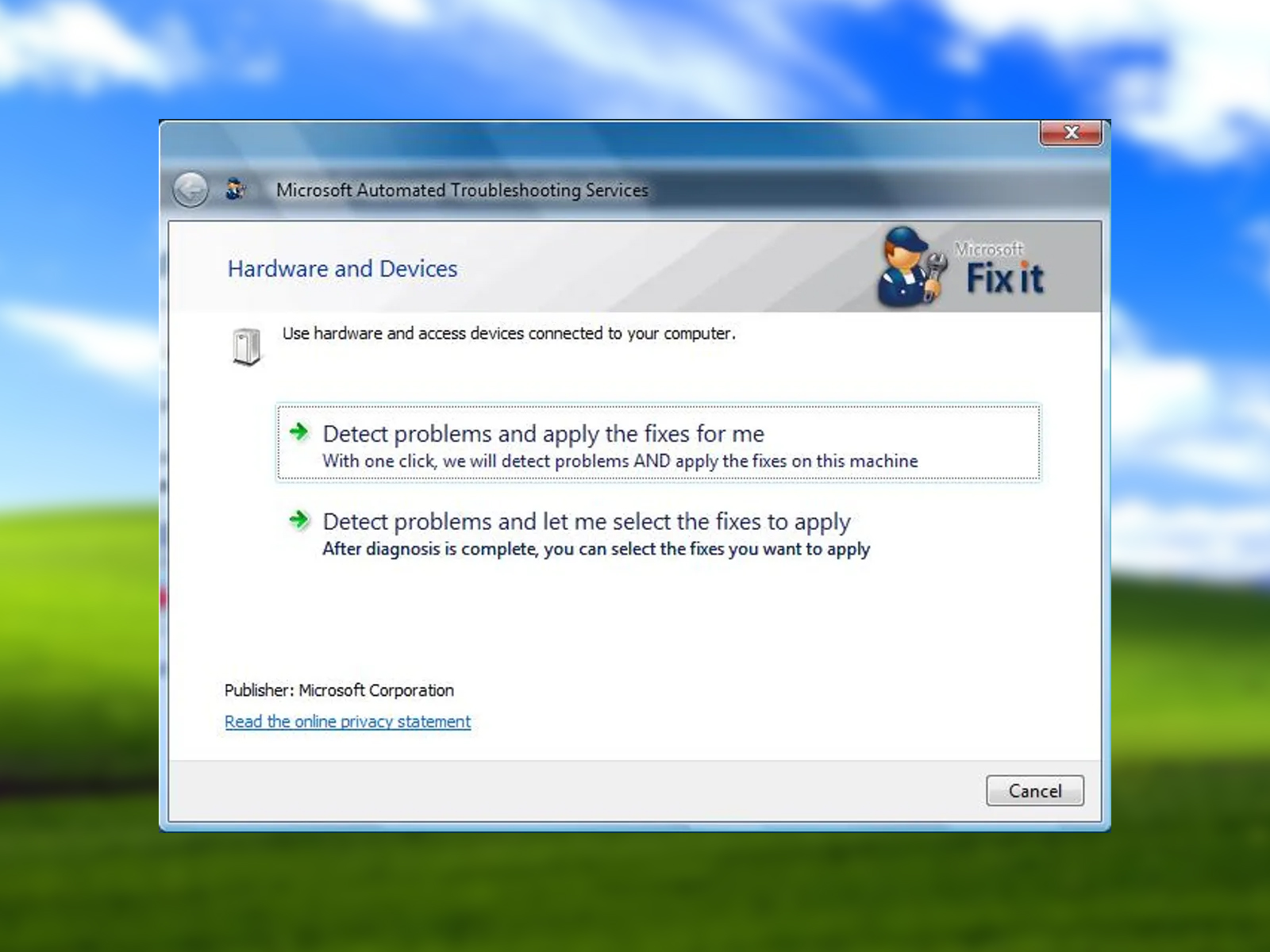
Computer Inactive, trading as Computer F6, was a company I
founded with three other people. It was a subscription based troubleshooting platform, using heuristics to identify and provide solutions to software, hardware, connectivity and
internet issues. The software was entirely created by me and packaged as a website.
We gained traction by bundling the service with computer sales by other vendors and
attending computer fairs. It was acquired by Microsoft and rebranded as "Fix It".

AXA Insurance
2005 — 2007
Intranet development for AXA UK, utilising a custom CMS platform.
Microsoft Game Studios
2002
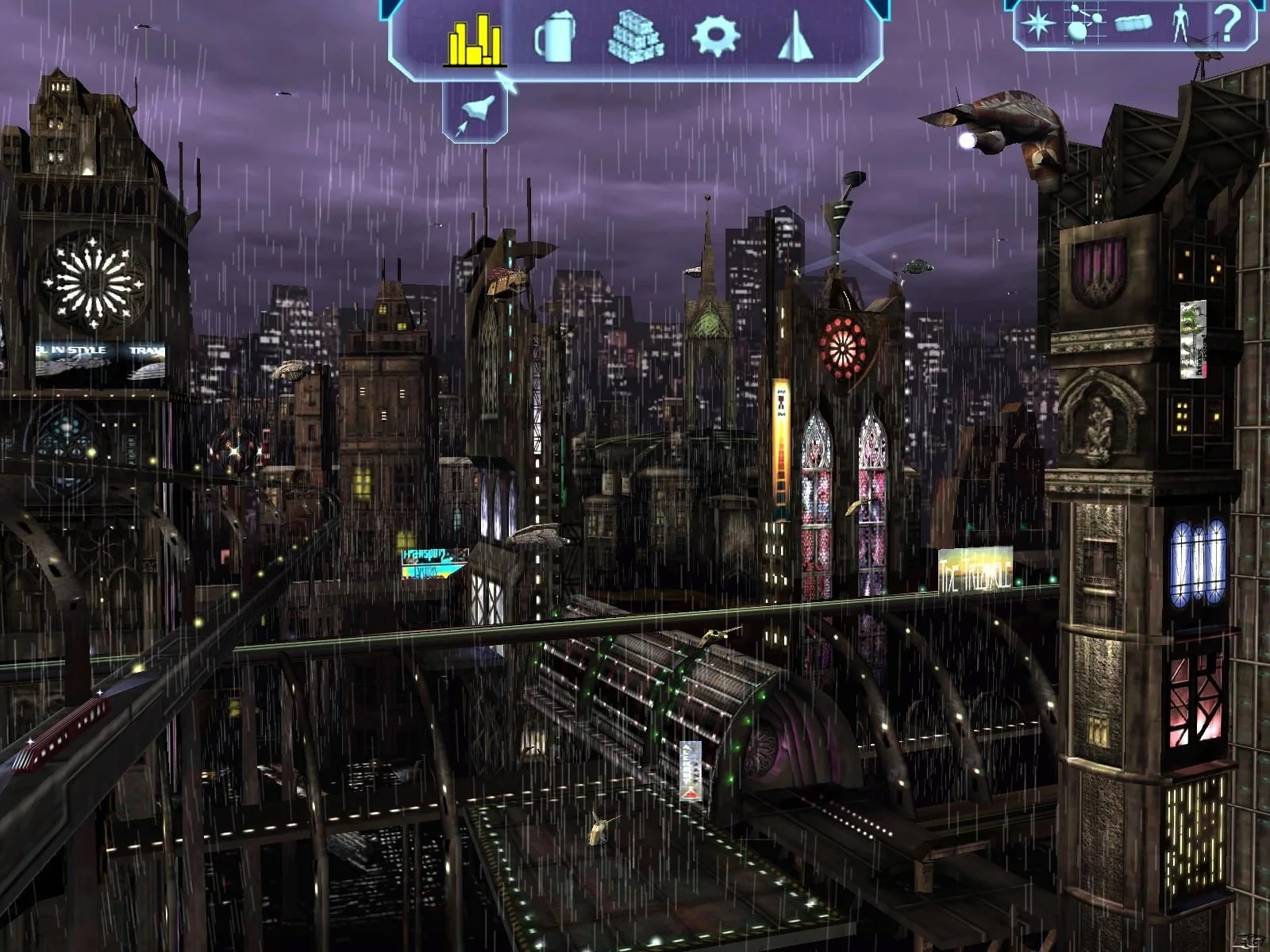
Junior games tester working part-time on quality assurance, most notable for the PC game Freelancer.
Raven Eye Computer Systems
2000 — 2003
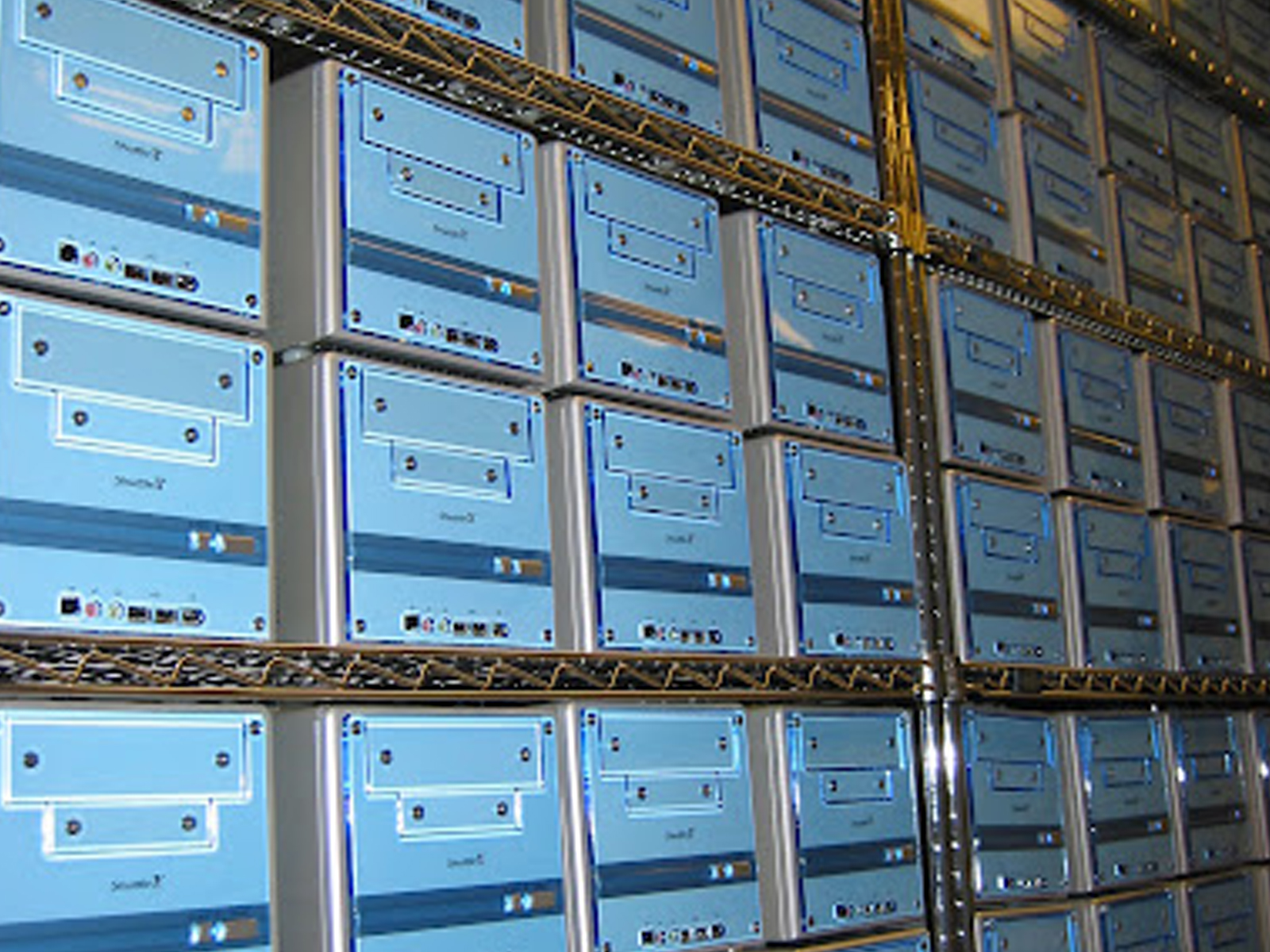
Founded company specialising in high-end small footprint computers. Acquired by local vendor.
Side Quests
Long Shadow is a science-fiction and dark-fantasy narrative universe that spans millennia. It follows different characters across distant eras, each shaped by the weight of time, the consequences of choices made long before them, and the circumstances they inherit.
A game I helped fund as I found the premise adorable - a cute top down racing game with a tactile arcade physics model, pitstops, and a pure motorsport approach.
A game I helped fund, centered on a compelling gameplay loop of mining and upgrading.
Apple Watch Ultra promotional video I created, unreleased.
Fondest Memories
The moments that made it all worthwhile
Knowing the Work Saved Lives
Fall detection started as a concept — a quiet idea that technology should notice when a person can't speak for themselves. Concepting and designing safety features at Apple that went on to reach millions of people is something I carry with me every day. Somewhere out there, someone is alive because a watch noticed they fell, their heart beat is irregular or they were involved in a car crash. That will never stop meaning something to me.
A Ship, Printed in Three Dimensions
Unexpectedly I received a video from a blind player of TextSpaced. As an annual reward, he had asked for his favourite ship from the game (a mining Barge) be 3D printed. His mother filmed him opening the package and running his fingers across its hull for the first time — feeling the form of something that had only ever existed as text on a screen. It is the single most profound piece of feedback I have ever received for anything I have made and it had no words.
Helping a Student Find His Place
While working at Suffolk New College I supported a student to start a game review blog as part of his course. He was bright but unsure of himself because of a learning disability. I connected him with professionals in the games industry, opened a few doors, and watched from a distance as he walked through them. He landed his dream job. Moments like that remind me that being nice is the best thing to be.
Testimonials
Via LinkedIn ↗What made him an exceptional leader was that he never tried to impose his own solutions. Instead, he encouraged experimentation. One phrase I heard often was, “Try your way. Play with it. Explore it.” He created an environment where people felt safe to take risks, test new approaches, and learn through discovery. Matthew was equally generous with recognition. Whether it was a major project milestone or a small personal breakthrough, he never missed an opportunity to celebrate the achievement and make people feel proud of their progress.
Huilin Shen
Huawei
June 2026
It was really inspiring working with Matthew at Huawei's HMI Lab, where he led our multidisciplinary innovation team. Matthew brought a clear vision to the team, drawing on his extensive experience to guide projects from early ideas through to delivery. He encouraged us to challenge existing paradigms and explore future opportunities while keeping concepts grounded and achievable. He created an environment where different disciplines could collaborate smoothly towards shared goals, and his supportive leadership style made it easy for people to contribute their perspectives. I am very grateful to have worked alongside Matthew, contributed to the innovation roadmap, and exchanged ideas throughout our journey in the lab.
Fabiola Souza Lima
Huawei
June 2026
Matthew sets the standard for what an innovation leader should be. With his extensive big-tech background and having founded several successful startups, Matthew pairs an incredible instinct for industry trends with the rare ability to clearly articulate a vision to both stakeholders and team members. He fosters a highly collaborative environment, constantly encouraging deep discussions and brainstorming sessions where we can safely challenge assumptions and build solid product propositions together. What truly sets Matthew apart, however, is his approach to leadership. He understands that a team's output relies on its culture, carefully selecting people who don't just have the technical skills, but genuinely fit the group dynamic. He has consistently sheltered us from external corporate pressures, giving us the breathing room to innovate and disrupt. Despite having a level of professional experience that could easily feel intimidating to those of us earlier in our careers, Matthew never imposes his views: instead, he empowers us to work freely under his guidance, nurtures our growth, and allows us to learn from our mistakes. Our team's outstanding results are a direct reflection of his leadership. I cannot recommend Matthew highly enough as a leader, mentor, and visionary.
Gonzalo Morales
Huawei
June 2026
In my entire career, I have rarely met someone as inspiring and impactful as Matthew. He hired me in his team and was my team lead during my time at Huawei. His leadership, vision, and expertise had a profound influence on both the team and the success of our work. Matthew possesses an exceptional depth of knowledge and a forward-thinking mindset that consistently inspires those around him. His strategic vision helped shape the direction of our projects and was widely recognized by Huawei leadership. His leadership will have a lasting impact on my professional growth that I will be ever grateful for.
Judit Kollo
Huawei
June 2026
Working with Matthew was one of the highlights of my time at Huawei. One thing that always stood out was how he approached problems. He rarely told people what the answer was. Instead, he'd ask a question or offer a different perspective that would completely change how you were looking at the problem. So many of my favourite design discussions started with me thinking I had things figured out, only to leave realising there was a much more interesting way to think about it. Despite his wealth of experience across Apple, startups, and emerging technologies, Matthew is incredibly humble and generous with his knowledge. He created an environment where ideas could be challenged openly, curiosity was encouraged, and people genuinely felt supported to grow. Beyond being an exceptional designer and leader, he's simply a wonderful person to work with. I'm incredibly grateful for everything I learned from him and would jump at the opportunity to work with him again.
Yiping Wang
Huawei
June 2026
I feel very privileged to have worked under Matthew's leadership. He has a remarkable ability to identify emerging trends in AI software, hardware, and human–machine interaction, and consistently brings forward-looking insights that inspire the entire team. Beyond his technical vision, he is open-minded, conscientious, and an exceptional manager. He creates an environment where people feel supported, challenged, and empowered to grow. He is also incredibly generous with his mentorship and guidance, always willing to share his knowledge and help others navigate both technical and career challenges. Working with him has been a highly rewarding experience, and I’ve learned a tremendous amount from his leadership.
Weidi Zheng
Huawei
June 2026
Matthew is an amazing designer, always bringing new concept and ideas, always challenging the status quo and approaching things from new perspectives. His designs always express a lot of empathy and inclusivity for users. In addition to creating stunning visual designs, Matthew can also code: over the last few years, he has built amazing prototypes harnessing the power of generative AI for text, photo or video. I highly recommend Matthew to any team, company who wants to start building a strong innovation pipeline.
Guillaume Privat
Apple
October 2024
I had the pleasure of working with Matthew for several years, and he is one of the most talented designers I've ever met. His exceptional design skills, combined with his curiosity and versatility, set him apart. I highly recommend him to anyone seeking a top-tier designer who can drive innovation and success in any project.
Silvia Frías
Apple
October 2024
I have had the privilege of witnessing Matthew's design work first hand. Matthew has impressed me many times with his design talent and skillset which he demonstrated in developing PoCs for AI-based products, as well as while dramatically improving the UI of top tier tools for developers.
Mariana Raj
Apple
October 2023
Matthew is a fantastic designer who is also very capable in user research, which is a very valuable combination. He is a pleasure to work with and I highly recommend him for product design and user research roles.
Juha Seppä
Apple
September 2023
I had the pleasure of collaborating with Matthew on several projects both at VocalIQ and Apple, and I can wholeheartedly recommend him as an exceptional product designer. Matthew possesses a remarkable ability to transform complex ideas into user-friendly and visually stunning designs. On top of that, he has the ability to take his own designs into working prototypes thanks to his software development skills. I've thoroughly enjoyed our discussions about technical and product issues. Matthew brings a unique, user-centric perspective that has led to solutions I hadn't initially considered.
Marco Dinacci
Apple
September 2023
Matthew is a talented web developer (among other things!) who is efficient, precise, and has phenomenal communication skills which make working with him a pleasure. He always completed projects and solved issues much more quickly than I'd expect, and no request was brushed aside or ignored. His websites include creative features that go beyond the norm. On a more general note, Matthew is an inspiration. He works hard and puts 100% into everything that he turns his hand to be it development, reviews or art.
Stacey Armour
Transversal
March 2014
Matthew is a highly creative and innovative developer/designer. His ethic for hard work allows him to complete projects quickly and accurately, whilst his calm and collected personality means he is never flustered when faced with several tasks at once. He also shows a high level of entrepreneurial spirit in both personal and professional projects.
Martyn Riley
Suffolk New College
February 2014
Matthew is a brilliant IT professional who enabled me to produce some excellent tools for staff and students. He is helpful, intelligent and full of good ideas and suggestions. He can explain difficult concepts with ease and is a great team player. His website design and technical expertise is second to none. I can recommend Matthew most highly and know that his professional standards and competence will be an asset to anyone he works with.
Sarah Adams
Suffolk New College
November 2011
Within a couple of years Matthew took our VLE and developed it to a level that I would have expected after 5 years. An exceptionally talented web developer!
Steven Inglis
Suffolk New College
November 2011
Matthew is everything I have come to expect from a web developer. He is always able to present the college's ideas in a simple but eye catching way and is constantly finding alternative and better ways to publicise the college. In addition to his skills as a web developer Matthew has an extraordinary ability to pick up new skills and apply them competently to areas outside his remit. He is dedicated, punctual and hard working and a great team player.
Oliver Reynolds
Suffolk New College
January 2011